
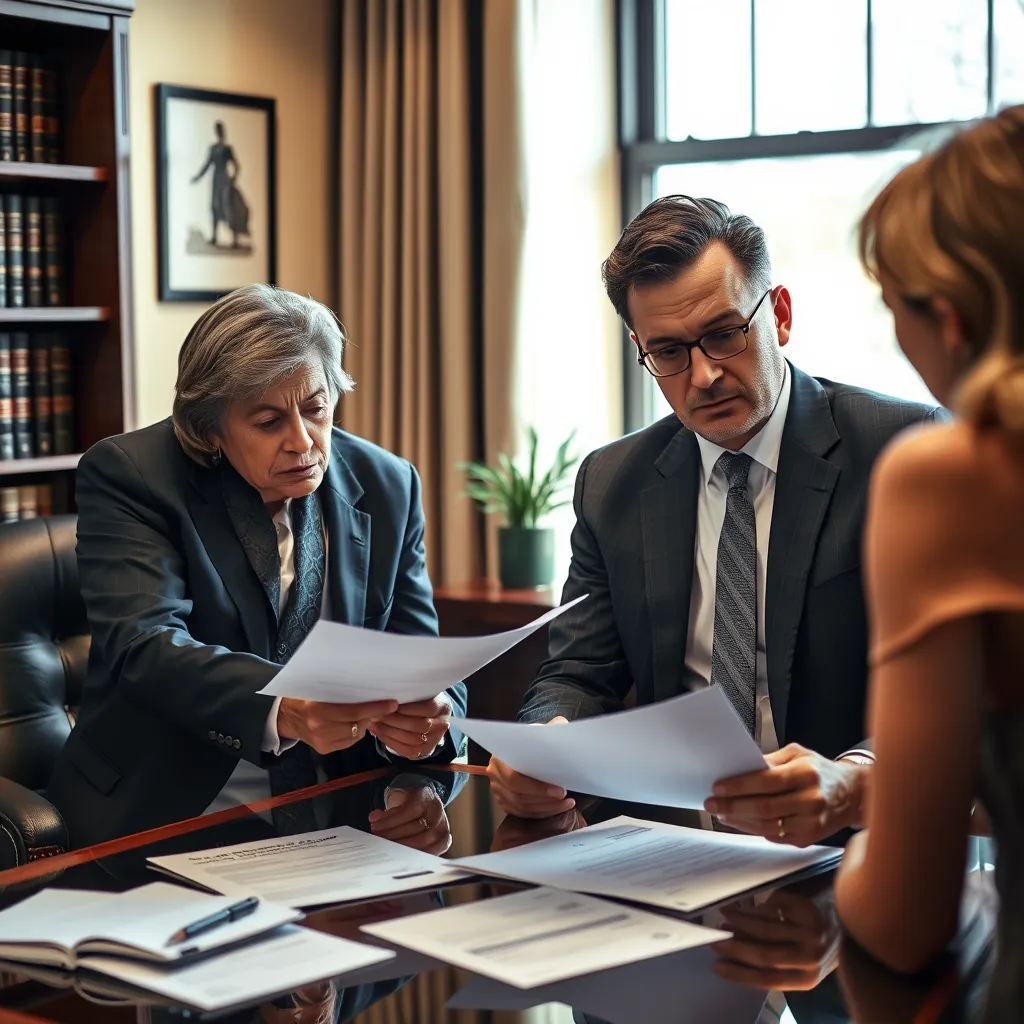
Rehabilitative Alimony Lawyer Falls Church, VA
Rehabilitative alimony is spousal support designed to help a financially dependent spouse gain the education, training, or job skills necessary to become self‑supporting after a divorce. When the issue arises in Falls Church, Virginia, you need an attorney who understands how the Falls Church Circuit Court and the Falls Church Juvenile and Domestic Relations District Court approach these awards under Virginia law. Law Offices Of SRIS, P.C. and Mr. Sris, Owner and Founder, assist clients throughout the Falls Church area with rehabilitative alimony matters, from evaluating a request or an obligation to advocating for a reasonable duration and amount. To discuss your specific situation with a qualified legal team, reach our Fairfax Location at (888) 437‑7747. Law Offices Of SRIS, P.C. – Advocacy Without Borders.
What Is Rehabilitative Alimony in Virginia?
Rehabilitative alimony is a form of post‑divorce support ordered under Va. Code § 20‑107.1. Its purpose is temporary and forward‑looking: the court provides maintenance to a spouse who requires financial assistance while pursuing the steps needed to become economically independent. Unlike permanent or indefinite support, rehabilitative alimony is tied to a plan — completing a degree, obtaining a certification, or undertaking vocational retraining — that the recipient must pursue in good faith. The Falls Church courts look to the same statutory factors that govern all spousal support awards, including each party’s earning capacity, the duration of the marriage, contributions to the family, and the standard of living established during the marriage.
Virginia judges weigh the recipient’s demonstrated need for a temporary bridge and the paying spouse’s ability to provide it. Because the award is meant to be finite, a well‑documented proposal showing exactly what the support will fund and how long the plan will take strengthens the request. Conversely, a spouse faced with a rehabilitative alimony demand can challenge the feasibility of the plan or the reasonableness of the requested amount. Mr. Sris and the firm’s Of Counsel attorneys assist both sides, helping clients gather the financial evidence and vocational assessments a Falls Church court expects to see before setting a rehabilitative award.
Frequently Asked Questions
What is rehabilitative alimony and how does it differ from other alimony in Virginia?
Rehabilitative alimony is temporary support designed to help a spouse attain the skills necessary for self‑sufficiency, unlike permanent or indefinite alimony which lasts without a fixed end date. In Virginia, courts can order several types of spousal support, but rehabilitative support is uniquely focused on a transitional goal. The recipient must show a concrete plan to become employable at a level approaching the marital standard of living. Falls Church judges apply the factors of Va. Code § 20‑107.1 to decide whether a rehabilitative award is appropriate and, if so, for how long. Once the recipient completes the training or the court‑ordered period ends, the obligation can terminate or be reduced unless circumstances warrant an extension.
How long does rehabilitative alimony typically last?
The duration varies with the specifics of each case, but a Virginia court sets a finite period linked to the recipient’s rehabilitation plan. The judge will look at the time reasonably needed to finish a degree, complete a certification, or become re‑established in the workforce. A spouse seeking rehabilitative support must present a realistic timeline, while the paying spouse can contest an exaggerated duration. After the initial award, either party may later petition for modification if conditions materially change, such as an unexpected extension of training or a job offer that makes continued support unnecessary. In Falls Church, the Circuit Court retains jurisdiction over spousal support and can adjust a rehabilitative award upon a proper showing.
Do I need a lawyer for a rehabilitative alimony case in Falls Church?
Virginia does not require you to hire an attorney, but a lawyer can make a significant difference in how your case is presented and resolved. Rehabilitative alimony disputes often turn on detailed financial documentation, vocational assessments, and a clear connection between the support amount and the recipient’s rehabilitation plan. Mr. Sris and the firm’s Of Counsel attorneys are familiar with the Falls Church Circuit Court’s expectations and can help you organize evidence, propose a reasonable support structure, or challenge an excessive request. Trying to handle the matter alone without knowledge of the statutory factors under Va. Code § 20‑107.1 can lead to an award that overlooks key facts.
What factors does a Falls Church judge consider when awarding rehabilitative alimony?
The same thirteen statutory factors listed in Va. Code § 20‑107.1 apply, with particular attention paid to the recipient’s realistic ability to become self‑sufficient. Relevant considerations include the length of the marriage, each spouse’s age and health, the standard of living during the marriage, the division of property, and the contributions each party made to the family’s well‑being. In a rehabilitative alimony context, the court will also examine the specific educational or vocational plan proposed by the requesting spouse, the expected cost, and the paying spouse’s financial capacity. Falls Church judges have heard many such cases and expect the plan to be concrete, not aspirational.
Can rehabilitative alimony be modified after it is ordered?
Yes, Virginia law permits modification of a rehabilitative alimony award upon a showing of a material change in circumstances. If the recipient completes the rehabilitation plan earlier than expected or abandons the plan entirely, the paying spouse can file a motion to terminate or reduce the support. Conversely, if the recipient encounters unforeseen obstacles that delay the ability to become self‑supporting, the court may extend the award. Any modification request goes through the original court — the Falls Church Circuit Court, for support initially ordered in a divorce decree. Mr. Sris and the firm’s Of Counsel attorneys can evaluate whether a change in your situation meets the legal threshold for modification.
What if my former spouse refuses to pay court‑ordered rehabilitative alimony?
If a court order is being violated, you can file an enforcement action or a petition for contempt in the Falls Church Juvenile and Domestic Relations District Court or the Circuit Court that issued the order. The court can compel payment through wage garnishment, a judgment lien, or, in serious cases, find the non‑paying spouse in contempt. Because rehabilitative alimony is often temporary and tied to a specific plan, prompt enforcement is essential to keep the recipient on track. The firm’s experienced family law team can guide you through the enforcement process and pursue the remedies available under Virginia law.
How does the rehabilitative alimony process work in Falls Church courts?
A petition for spousal support is filed as part of a divorce action in the Falls Church Circuit Court, which handles all equitable distribution and support matters. At a pendente lite hearing, temporary support — including rehabilitative support — may be awarded while the divorce is pending. Once the decree is entered, the final spousal support award may include a rehabilitative component. Throughout the process, the parties exchange financial information and may present expert testimony on the recipient’s employability and the cost of rehabilitation. The court then issues an order specifying the amount, duration, and any conditions attached to the support.
Is rehabilitative alimony taxable in Virginia?
Under current federal law, alimony paid under a divorce decree executed after 2018 is not taxable to the recipient and not deductible by the payer. Virginia follows this treatment, so the paying spouse receives no deduction and the recipient includes no alimony income on their state return. This change shifts the after‑tax economics of rehabilitative awards and can affect negotiation strategies. Mr. Sris and the firm’s Of Counsel attorneys help clients understand the practical impact of the tax treatment when structuring or contesting a rehabilitative alimony proposal.
What makes a strong case for rehabilitative alimony in Falls Church?
A strong case involves a specific, realistic rehabilitation plan supported by evidence of the recipient’s need and the payer’s ability to fund it. Documentation may include enrollment in an accredited program, cost estimates, a timeline, and evidence that the recipient cannot meet living expenses while pursuing the plan without assistance. On the defense side, a strong case may show that the recipient already possesses the skills to be self‑sufficient or that the proposed plan is unreasonable in cost or duration. The firm’s attorneys work with clients to develop a record that speaks directly to the factors a Falls Church judge will consider.
About Mr. Sris and the Firm’s Of Counsel Attorneys
Mr. Sris, Owner and Founder of Law Offices Of SRIS, P.C., has practiced law since 1997 and is admitted in Virginia, Maryland, the District of Columbia, New Jersey, and New York. A former prosecutor, Mr. Sris applies his experience in the courtroom to family law matters, including rehabilitative alimony disputes that require careful analysis of financial and vocational evidence. The firm’s Of Counsel attorneys bring extensive combined legal experience, helping clients navigate the particular procedures of the Falls Church Circuit Court and the Falls Church Juvenile and Domestic Relations District Court. Results may vary. To learn how Mr. Sris and the firm’s Of Counsel attorneys can assist with your rehabilitative alimony matter in Falls Church, contact our Fairfax Location at (888) 437‑7747.
For related family law services in nearby communities, visit our pages on family law in Fairfax County, Fairfax City, and Prince William County.
For authoritative Virginia spousal support law, see Va. Code § 20‑107.1 on the Virginia Legislative Information System. Information on the Falls Church court is available at the Falls Church Combined Courts website.
Attorney advertising. Prior results do not guarantee a similar outcome. Results may vary.
Case results depend on a variety of factors unique to each case.