
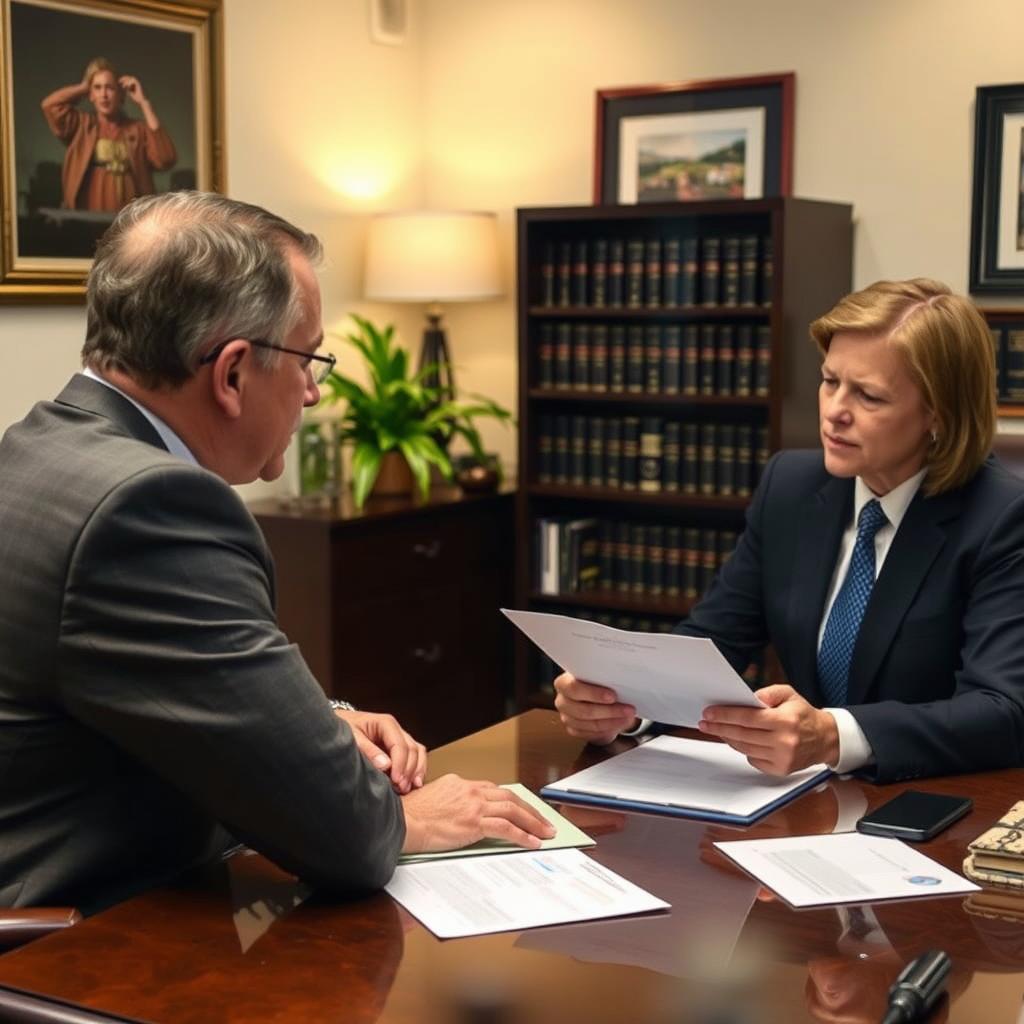
Beach Military Divorce Lawyer Falls Church, VA
Military divorce cases require an attorney who understands both Virginia family law and the federal protections that apply to service members. If you or your spouse serve in the U.S. Armed Forces and you need a divorce in Falls Church, Law Offices Of SRIS, P.C. can guide you through the process. Our firm assists clients with military divorce matters, including those arising from postings near coastal installations, and handles cases in the Falls Church Circuit Court and Juvenile and Domestic Relations District Court. From the division of military retirement benefits to child custody arrangements that account for deployment schedules, Mr. Sris and his Of Counsel provide experienced representation. To schedule a consultation, call (888) 437‑7747.
How a Beach Military Divorce Lawyer in Falls Church, VA Can Help
Military divorces in Virginia involve the same grounds for divorce as civilian cases—no‑fault separation or fault‑based grounds under Va. Code § 20‑91—but additional statutes and regulations govern issues unique to service members. The Servicemembers Civil Relief Act (SCRA) can delay proceedings if a service member is on active duty and unable to participate, and the Uniformed Services Former Spouses’ Protection Act (USFSPA) governs how military retired pay is divided. A lawyer who concentrates in this area can help you navigate these overlapping rules while ensuring your case moves forward efficiently.
In Falls Church, Mr. Sris and his Of Counsel serve clients stationed at nearby military installations or who live in the city and its surrounding communities. Our firm handles uncontested and contested divorces, property division that includes military pensions and Thrift Savings Plan accounts, and custody disputes where one parent’s deployment schedule must be addressed in a parenting plan. We appear regularly at the Falls Church Circuit Court, located at 300 Park Avenue, Suite 151W, to present cases before the Seventeenth Judicial District. Because military families often have ties to more than one jurisdiction, we coordinate with counsel in other states and work to resolve jurisdictional questions at the outset.
Frequently Asked Questions
What is a military divorce in Virginia?
A military divorce is a dissolution of marriage where one or both spouses are active‑duty, reserve, or retired members of the U.S. Armed Forces. It follows the same Virginia divorce laws as a civilian divorce—grounds must be established under Va. Code § 20‑91, and the divorce complaint is filed in the Circuit Court—but additional federal laws, such as the SCRA and USFSPA, affect how the case proceeds and how military benefits are divided. The Falls Church Circuit Court has jurisdiction if either party meets Virginia’s six‑month residency requirement under Va. Code § 20‑97.
How does the Servicemembers Civil Relief Act affect a Falls Church military divorce?
The SCRA allows a service member to request a stay of court proceedings if active‑duty obligations prevent meaningful participation. The stay is not automatic; the service member or their lawyer must submit a written application explaining how military duties interfere with the case. A judge in the Falls Church Circuit Court will evaluate the request and may grant a stay for a reasonable period, often with conditions to protect the civilian spouse’s interests. This procedural mechanism is especially relevant when one spouse is deployed or at sea.
Can a military spouse file for divorce in Falls Church even if the service member is stationed elsewhere?
Yes, as long as the filing spouse meets Virginia’s residency and domicile requirements. Under Va. Code § 20‑97, one party must have been an actual bona fide resident and domiciliary of Virginia for at least six months before filing. If the civilian spouse lives in Falls Church and qualifies, the divorce complaint may be filed in the Falls Church Circuit Court. The service member’s home‑of‑record or current duty station does not strip the Virginia court of jurisdiction, although personal jurisdiction over the service member must be established through proper service of process. Mr. Sris and his Of Counsel can explain how service is accomplished when the military spouse is out of state or overseas.
How is military retirement divided in a Virginia divorce?
Virginia is an equitable distribution state, meaning the marital share of military retired pay is divided fairly—but not necessarily equally—based on 11 statutory factors in Va. Code § 20‑107.3. The court determines the marital fraction (the portion of the retirement earned during the marriage) and may award the former spouse a share through a court order acceptable for processing by the Defense Finance and Accounting Service (DFAS). A proposed order must comply with the USFSPA and DFAS regulations to be honored. Our firm works with clients to draft the necessary language and to value other military benefits, such as SBP coverage and VA disability offsets, that may affect the final division.
What are the residency requirements for a Falls Church military divorce?
At least one spouse must have been a resident and domiciliary of Virginia for six months immediately before filing. Va. Code § 20‑97 requires both residence (physical presence) and domicile (intent to remain). A service member stationed in Virginia under military orders may satisfy these requirements even if they maintain a home‑of‑record in another state, depending on the specific facts. The Falls Church Circuit Court will examine the evidence of intent. Our firm evaluates each client’s situation to confirm that the jurisdictional threshold is met before the complaint is filed.
Does a military divorce differ from a civilian divorce in Virginia?
The basic grounds, procedures, and equitable distribution principles are identical, but several federal laws overlay the process. The SCRA provides protections against default judgments and allows stays. The USFSPA governs the division of military retired pay. Child support and custody orders must account for deployment, which can complicate parenting plans and require temporary modifications. Additionally, service members sometimes face challenges obtaining leave to attend court hearings. A lawyer experienced in both Virginia family law and military-specific regulations can anticipate these issues and propose practical solutions.
How long does a military divorce take in Falls Church?
The timeline varies depending on whether the divorce is contested and whether a stay is granted under the SCRA. Uncontested cases with a signed separation agreement after the required separation period (six months if no minor children, one year if minor children are involved) often proceed more quickly. Contested divorces—especially those involving complex pension valuation or custody disputes tied to deployment—take longer. The Falls Church courts schedule hearings based on their calendar, and any SCRA stay will extend the overall duration. For guidance on your specific situation, reach Law Offices Of SRIS, P.C. at (888) 437‑7747.
What should I do if I am a service member facing divorce in Falls Church?
Contact an experienced Virginia military divorce lawyer immediately so your rights under the SCRA and other laws are protected from the start. Do not ignore court papers or assume that your deployment will automatically delay the case. Gather your Leave and Earnings Statement, any separation or prenuptial agreements, and records of property accumulated during the marriage. Preserve all communications with your spouse. An attorney can advise whether a stay is appropriate, how to handle temporary support requests, and how to present a complete financial picture. To discuss the details of your matter, contact Law Offices Of SRIS, P.C. at (888) 437‑7747.
Can a military divorce be uncontested in Virginia?
Yes, if the parties reach a signed separation agreement resolving all issues, the divorce can proceed on the no‑fault ground after the separation period runs. Under Va. Code § 20‑91(9), a couple with no minor children and a written agreement may divorce after a six‑month separation; if minor children are involved, a one‑year separation is required. The agreement should address property division, spousal support, child custody, and—critically for military families—any waiver or allocation of military retired pay. The parties must present a corroborating witness at the uncontested hearing. Our firm drafts separation agreements that comply with Virginia law and federal military pay regulations.
How does deployment affect child custody in a military divorce?
Deployment does not permanently change custody rights, but it requires a temporary modification to the parenting plan. Virginia courts, including the Falls Church Juvenile and Domestic Relations District Court, may enter a temporary custody order that preserves the deploying parent’s relationship with the child and provides for communication and visitation upon return. Va. Code § 20‑124.3’s best‑interest factors are applied, and a family care plan or military caregiver arrangement is often considered. Our firm helps clients negotiate or litigate temporary custody terms that protect the parent‑child bond while the service member is away.
Do I need a lawyer for a military divorce in Falls Church, VA?
You are not required to have a lawyer, but the interplay between Virginia law and federal military statutes makes self‑representation risky. Military retired pay division, SCRA stays, jurisdictional issues, and benefits such as health care under TRICARE require careful handling. A lawyer can ensure your final decree and military qualifying court order are drafted in the form DFAS will accept, preventing future enforcement problems. For a consultation to discuss your case, reach Mr. Sris and his Of Counsel at (888) 437‑7747.
About Mr. Sris and His Of Counsel Team
Mr. Sris, Owner and Founder of Law Offices Of SRIS, P.C., has practiced family law since 1997. His experience includes military divorce, equitable distribution of complex assets, and child custody matters. Mr. Sris testified before the Virginia House Courts of Justice Committee in support of 2019 HB 635 (chief patron Del. David Bulova), a bill that revised how retirement assets are divided upon divorce. He is admitted in Virginia, Maryland, the District of Columbia, New Jersey, and New York. Alongside his Of Counsel, Mr. Sris brings extensive combined legal experience to every case. The firm handles Falls Church family law matters from its Fairfax location, serving clients at the Falls Church Circuit Court and Juvenile and Domestic Relations District Court. Results may vary.
Attorney advertising. Prior results do not guarantee a similar outcome.
Case results depend on a variety of factors unique to each case.