
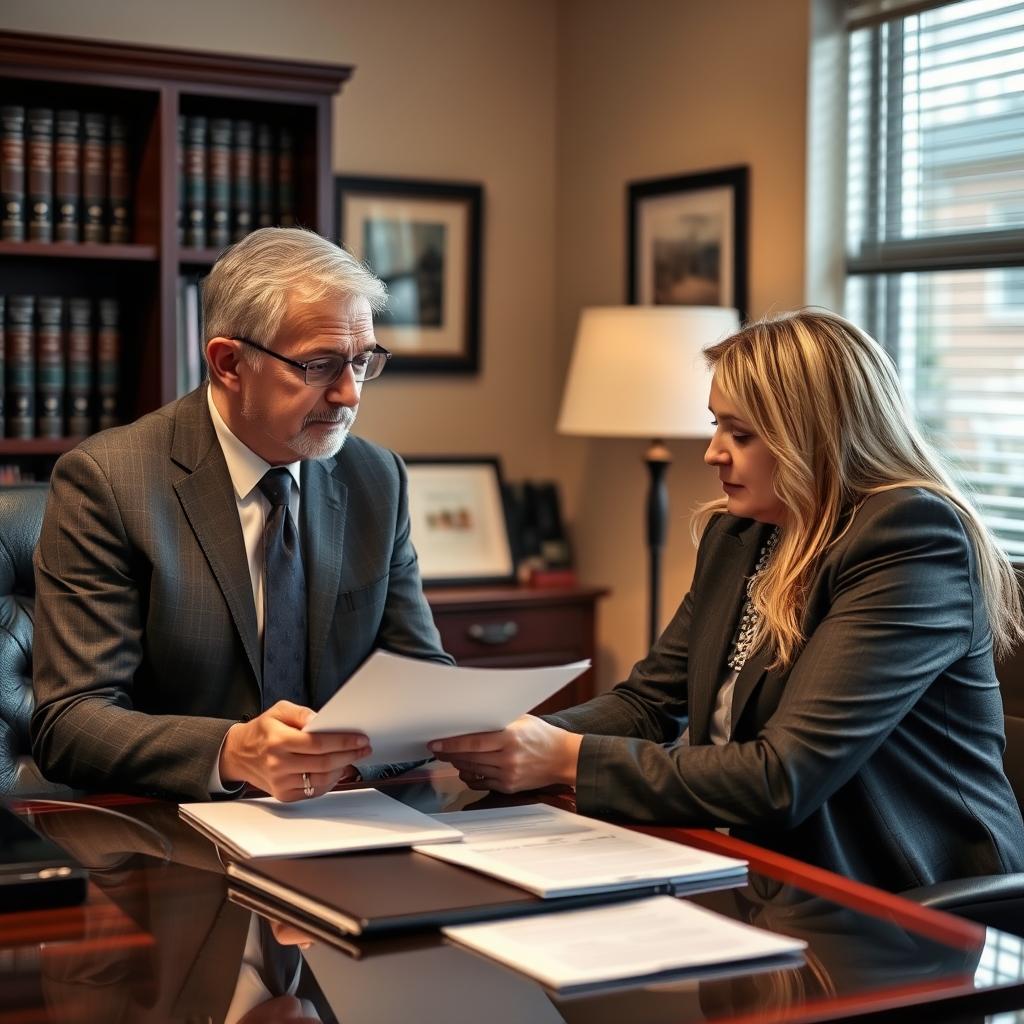
Child Support Enforcement Lawyer Arlington County, VA
When a court-ordered child support obligation goes unpaid, the custodial parent and the child face serious financial strain. In Arlington County, Virginia, parents often turn to the courts to enforce existing support orders—whether through income withholding, contempt proceedings, or license suspension. The process involves specific procedural steps in the Arlington County Juvenile and Domestic Relations District Court or, when tied to divorce, the Arlington County Circuit Court. Having an experienced attorney who understands how the local courts handle support enforcement helps parents move from a non-paying situation to a reliable, court-enforced arrangement. Mr. Sris, Owner and Founder of Law Offices Of SRIS, P.C., and the firm’s Of Counsel attorneys represent both custodial parents seeking enforcement and non-custodial parents facing enforcement actions throughout Arlington County and Northern Virginia. To discuss your child support enforcement matter, call (888) 437-7747. Law Offices Of SRIS, P.C. – Advocacy Without Borders.
What Child Support Enforcement Means in Arlington County
In Virginia, child support orders are governed by the guidelines set out in Va. Code § 20-108.1. The guidelines consider the combined gross income of both parents, the number of children, and the cost of health insurance and work-related childcare. When a parent fails to pay as ordered, the Virginia Division of Child Support Enforcement (DCSE) or the other parent can initiate enforcement proceedings. Arlington County cases generally fall under the jurisdiction of the Arlington County Juvenile and Domestic Relations District Court for standalone support and custody matters, or the Arlington County Circuit Court if the support obligation is part of a pending divorce or equitable distribution case. The courthouse is located at 1425 N. Courthouse Rd, Suite 2400, Arlington, VA 22201.
Arlington County is a dense, urban jurisdiction with a high number of commuters and government workers. The local courts are accustomed to complex financial disclosure issues, particularly when one or both parents have federal employment, investments, or multiple income streams. Enforcement actions may involve income withholding orders directed to federal agencies or private employers, show-cause hearings, and motions for contempt. Because enforcement often requires a review of the obligor’s current financial circumstances, a thorough presentation of earnings records, tax returns, and other financial documentation is essential. An attorney who practices regularly in the Arlington County courts can help ensure that the correct forms are filed, the proper statutory grounds are asserted, and the evidence is presented in a way the judge expects.
How Mr. Sris and the Firm’s Of Counsel Attorneys Handle Child Support Enforcement Cases
Every child support enforcement matter begins with a careful review of the existing order and the payment history. If the obligor has fallen behind, counsel determines whether the order is being enforced through DCSE or requires a private motion. Mr. Sris and the firm’s Of Counsel attorneys prepare the petition to show cause or motion to enforce, detail the arrearages owed, and request appropriate relief—including wage garnishment, tax refund intercept, suspension of driver’s or professional licenses, and in appropriate cases, a finding of contempt with possible jail as a coercive remedy. For custodial parents, the goal is to get the money flowing again as quickly as possible. For non-custodial parents who receive an enforcement notice, counsel can evaluate whether the arrearage calculation is accurate, whether a change in circumstances justifies a modification of the underlying support order, or whether the parent has a valid defense to contempt.
In Arlington County, enforcement proceedings often involve multiple court dates—initial appearance, possibly a court-ordered mediation or settlement conference, and an evidentiary hearing if the matter is contested. During this time, Mr. Sris and the firm’s Of Counsel attorneys work to present a clear financial picture to the court, whether that means documenting the obligor’s ability to pay or demonstrating that the obligor’s circumstances have changed. For a parent facing contempt, one critical step is showing that any failure to pay was not willful, which may require evidence of job loss, medical disability, or other unforeseen hardship. The court has discretion to impose remedies ranging from a payment plan to incarceration, and experienced counsel can help the court understand the full context.
About Mr. Sris and the Firm’s Of Counsel Attorneys
Mr. Sris, Owner and Founder of Law Offices Of SRIS, P.C., has practiced family law and litigation since founding the firm in 1997. He is admitted in Virginia, Maryland, the District of Columbia, New Jersey, and New York, and has appeared in courts throughout Northern Virginia, including the Arlington County Juvenile and Domestic Relations District Court and the Arlington County Circuit Court. A former prosecutor, Mr. Sris brings a courtroom-tested approach to every hearing. His legislative involvement includes testifying before the Virginia House Courts of Justice Committee in support of 2019 HB 635 (chief patron Del. David Bulova), a bill that addressed equitable distribution procedures—giving him an insider’s understanding of how family-law statutes are shaped and applied.
Mr. Sris works alongside the firm’s Of Counsel attorneys, who are experienced litigators with backgrounds that include former prosecution, law enforcement, and over three decades of courtroom practice. Mr. Sris and the firm’s Of Counsel attorneys bring extensive combined legal experience to child support enforcement matters. Results may vary. Whether a parent needs active enforcement of an existing order or a defense against an unjust contempt allegation, the firm’s attorneys prepare each case as though it will go to hearing, while always looking for opportunities to resolve the matter through negotiation when that serves the client’s best interests.
Frequently Asked Questions
How can a parent enforce a child support order in Arlington County?
A parent can enforce a child support order by filing a motion in the Arlington County Juvenile and Domestic Relations District Court, requesting enforcement remedies such as income withholding, contempt, or license suspension. If the support obligation was ordered as part of a divorce in the Arlington County Circuit Court, the enforcement motion may be filed there. The parent may also seek assistance from the Virginia Division of Child Support Enforcement, which has administrative tools such as tax refund intercept and passport denial. An attorney can help determine the most effective route based on the amount owed and the obligor’s circumstances.
What is the role of the Virginia Division of Child Support Enforcement (DCSE) in Arlington County?
DCSE can administratively enforce support orders by garnishing wages, intercepting tax refunds, suspending licenses, and reporting delinquent obligors to credit bureaus. In Arlington County, DCSE works in conjunction with the J&DR court. Some parents choose to open a case with DCSE as a first step; others prefer to go directly to court with a private attorney, particularly when DCSE’s caseload causes delays or when the obligor is self-employed and requires more active discovery. A parent represented by private counsel can still have an open DCSE case, and the two approaches often complement each other.
Can a non-custodial parent challenge a child support enforcement action in Arlington County?
Yes, a non-custodial parent who receives a notice of enforcement can challenge the action by filing a written response and requesting a hearing. Common defenses include showing that the arrearage calculation is incorrect, that the parent is paying through channels not reflected on the record, or that a change in circumstances—such as job loss or disability—makes the current ordered amount inequitable. The parent may also petition for a modification of the underlying support order under Va. Code § 20-108.1 and § 20-109. It is important to appear at all court dates; failing to appear can result in a default judgment for the arrearages or a capias for arrest.
What happens at a child support enforcement hearing in the Arlington County J&DR Court?
At an enforcement hearing, the judge will review the payment history, the existing order, and any documentary evidence presented by both parties to determine whether the obligor has willfully failed to pay. The custodial parent or DCSE carries the burden of proving the existence of the order and the arrearage amount. The obligor then has the opportunity to explain any inability to pay. If the court finds willful non-payment, it may order a lump-sum payment, income withholding, a payment plan, or find the obligor in contempt, which can involve fines or incarceration. An attorney can present the appropriate evidence and legal argument to protect the client’s interests.
What are the consequences of failing to pay child support in Virginia?
A parent who fails to pay court-ordered child support in Virginia can face income withholding, tax refund interception, suspension of driver’s and professional licenses, denial of a passport, negative credit reporting, and contempt of court, which may include fines and jail time. In Arlington County, the court may also require the obligor to post a bond to secure future payments. Accumulated arrears continue to accrue interest at the statutory rate, and the obligation generally does not diminish even if the obligor loses his or her job; a modification order must be obtained to change the amount. Because the consequences are serious, it is important to seek legal counsel as soon as payment problems arise.
How can a lawyer help with child support enforcement in Arlington County?
A lawyer can file the appropriate motions, gather and present financial evidence, negotiate a payment plan, argue for or against contempt, and ensure that the parent’s rights are protected throughout the enforcement process. For a custodial parent, counsel can identify all available enforcement remedies—wage assignment, bank levy, license suspension—and pursue the ones most likely to produce results quickly. For a non-custodial parent, a lawyer can verify the arrearage calculation, raise defenses, and, when appropriate, file a motion to modify the support obligation to reflect a true change in circumstances. Having an experienced family law attorney who knows the Arlington County court procedures helps reduce the stress of navigating enforcement on one’s own.
For family law representation in other Northern Virginia localities, see our Fairfax County family law lawyer, Prince William County family law lawyer, and Stafford County family law lawyer pages.
Virginia statutory resources: Virginia Code Title 20 (Domestic Relations) | Virginia Court System | Arlington County General District Court
Attorney advertising. Prior results do not guarantee a similar outcome. Results may vary.
Case results depend on a variety of factors unique to each case.