
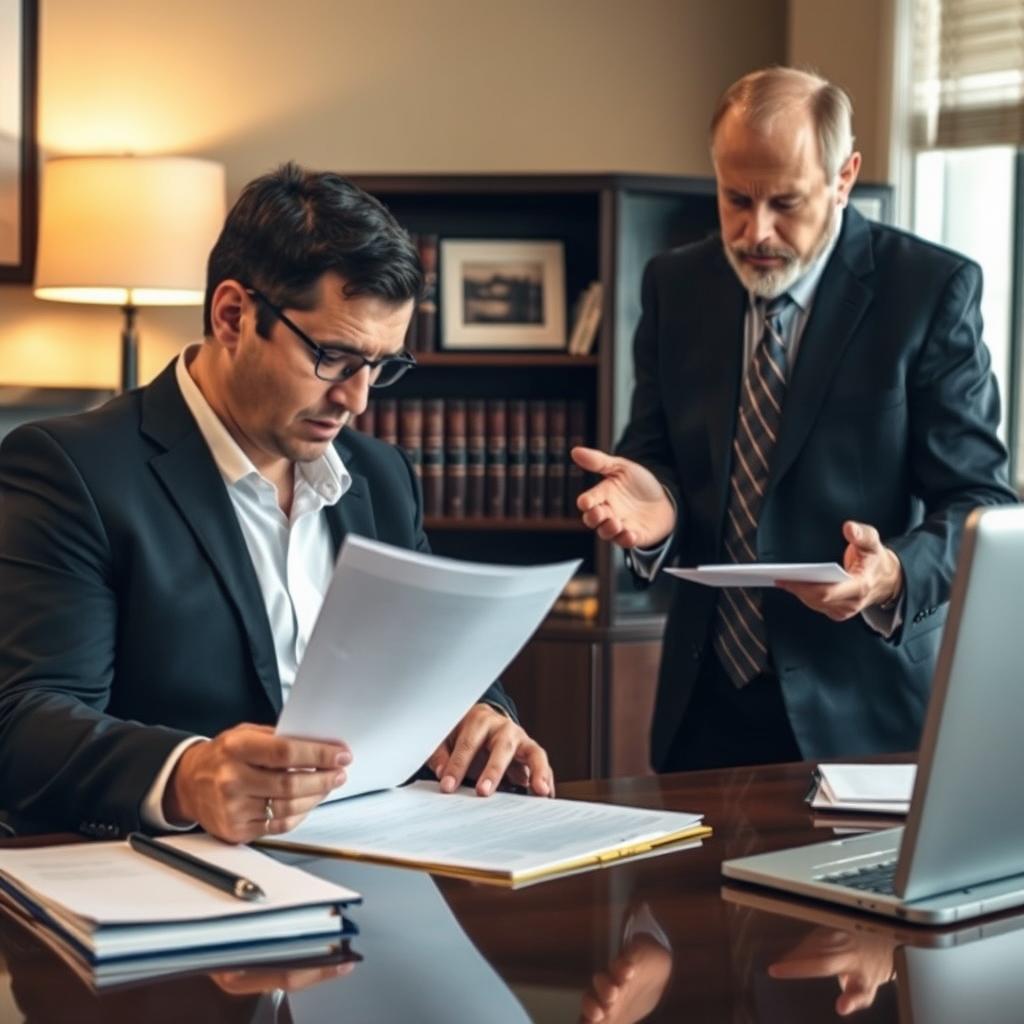
Malicious Wounding Lawyer Manassas, VA
A charge of malicious wounding in Virginia carries severe penalties. The offense requires proof that the accused acted with intent to maim, disfigure, disable, or kill. In Manassas, these charges are prosecuted actively by the Commonwealth’s Attorney. Mr. Sris and his Of Counsel team at Law Offices Of SRIS, P.C. bring extensive combined legal experience to defend individuals facing allegations under Va. Code § 18.2-51. From investigation through trial, our firm works to protect your rights. Reach Law Offices Of SRIS, P.C. at (888) 437-7747 to request a consultation. Law Offices Of SRIS, P.C. – Advocacy Without Borders.
What Malicious Wounding Means in Manassas
Under Virginia law, malicious wounding is a distinct felony offense codified at Va. Code § 18.2-51. It requires that the defendant acted with malice—a state of mind that includes an intent to kill, maim, disfigure, disable, or do serious bodily harm. The offense does not require that the victim suffered permanent injury, only that the defendant intended such a result. A simple fistfight that goes seriously wrong can lead to a malicious wounding charge if the evidence supports the required intent.
If the victim is permanently and significantly impaired, the charge may be elevated to aggravated malicious wounding under § 18.2-51.2. The penalties are among the harshest in Virginia’s criminal code. A conviction for malicious wounding is a Class 3 felony, punishable by a term of imprisonment ranging from five to twenty years. Aggravated malicious wounding is a Class 2 felony, carrying a sentence of twenty years to life. These are mandatory ranges—the court has limited flexibility to depart downward absent a specific statutory provision.
In Manassas, malicious wounding charges follow a predictable procedural path. The initial appearance and preliminary hearing for a felony take place in the Manassas General District Court, located at 9311 Lee Avenue, Suite 230, Manassas, VA 20110. The General District Court does not conduct felony trials; instead, it determines whether probable cause exists to certify the case to the Manassas Circuit Court. If certified, the defendant is indicted by a grand jury and the matter proceeds to trial in the Circuit Court. The Commonwealth’s Attorney for Manassas handles the prosecution, and defendants have an absolute right to a jury trial for any felony charge. The Fairfax location of Law Offices Of SRIS, P.C. serves clients in Manassas and appears regularly in both the General District and Circuit Courts.
How Mr. Sris and His Of Counsel Handle Malicious Wounding Cases
At Law Offices Of SRIS, P.C., Mr. Sris and his Of Counsel team approach every malicious wounding case by thoroughly examining the elements of the charge and the evidence. Because intent is the crucial component, the defense often focuses on whether the prosecution can prove the required mental state beyond a reasonable doubt. An altercation that results in serious injury does not automatically constitute malicious wounding; the evidence must show malice, not just recklessness or mutual combat.
Our firm’s investigation may involve interviewing witnesses, reviewing medical records, and consulting with forensic or medical experts. We scrutinize any statements made by the accused to ensure constitutional protections were observed. In many cases, we explore whether a lesser charge—such as unlawful wounding (Va. Code § 18.2-51) or assault and battery—more accurately fits the facts. Virginia courts permit plea agreements under Rule 3A:8 of the Rules of the Supreme Court of Virginia, and the Commonwealth’s Attorney may agree to reduce or amend charges when the evidence supports it. Mr. Sris and his Of Counsel negotiate from a position of thorough preparation, seeking outcomes that resolve the matter favorably while minimizing the long-term consequences of a felony conviction.
About Mr. Sris and His Of Counsel Team
Mr. Sris, Owner and Founder of Law Offices Of SRIS, P.C., founded the firm in 1997 and is a former prosecutor. He is admitted to practice in Virginia, Maryland, the District of Columbia, New Jersey, and New York. Mr. Sris testified before the Virginia House Courts of Justice Committee in support of 2019 HB 635 (chief patron Del. David Bulova). His Of Counsel team includes attorneys with deep criminal-defense experience, including a former Virginia State Trooper whose law-enforcement background provides unique insight into police procedures, investigative techniques, and evidence challenges. Mr. Sris and his Of Counsel bring extensive combined legal experience to every case. Results may vary.
Frequently Asked Questions
What is the difference between malicious wounding and unlawful wounding in Virginia?
Malicious wounding requires intent to maim, disfigure, disable, or kill, while unlawful wounding does not require malice. Unlawful wounding is a Class 6 felony (1–5 years) and applies when the wound is caused without malice—for example, in the heat of passion. Malicious wounding, a Class 3 felony, demands a higher level of proof. The distinction can significantly affect sentencing and collateral consequences such as firearm rights. A lawyer can assess whether the evidence supports a lesser charge.
What should I do if I am arrested for malicious wounding in Manassas?
Exercise your right to remain silent and request a lawyer immediately. Do not discuss the case with law enforcement or anyone else except your attorney. The days following arrest are critical for preserving evidence, locating witnesses, and pursuing bond. A magistrate sets bond upon arrest; an attorney can argue for a reduction at a bond hearing in the Manassas General District Court. Early legal representation can influence the direction of the investigation.
Can a malicious wounding charge be reduced to a misdemeanor?
A malicious wounding charge may be reduced to a misdemeanor assault and battery if the facts and evidence do not support the felony charge. This typically occurs through negotiations with the Commonwealth’s Attorney after a thorough defense investigation shows the prosecution cannot prove the requisite intent or that the incident was a mutual affray. Such a reduction avoids a felony record and mandatory prison time. Experienced defense counsel evaluates every avenue for charge amendments under Virginia’s plea-bargaining rules.
How does the court process work for a felony charge in Manassas?
An arrest in Manassas leads first to a bond hearing and preliminary hearing in the General District Court, followed by indictment and trial in the Circuit Court if the case is certified. The General District Court only determines probable cause. If probable cause is found, the case moves to the Circuit Court, where the defendant may enter a plea and proceed to trial by judge or jury. The timeline varies, but Virginia law provides a speedy trial right—five months for a misdemeanor if incarcerated, nine months for a felony. Throughout this process, an attorney can challenge evidence and seek dismissal or reduction at each stage.
What are the long-term consequences of a malicious wounding conviction?
Conviction for a felony like malicious wounding results in a permanent criminal record, loss of firearm rights, potential loss of voting rights, and significant barriers to employment and housing. Virginia’s expungement statute (§ 19.2-392.2) generally does not permit expungement of a conviction. Certain felony convictions may be eligible for sealing under the 2021 record-sealing framework once fully implemented. The lifetime impact of a felony conviction makes active defense imperative from the outset.
Malicious Wounding Defense in the Manassas Area
Explore our criminal defense representation in surrounding jurisdictions:
- Fairfax County criminal defense
- Fairfax City criminal defense
- Falls Church criminal defense
- Prince William County criminal defense
- Manassas Park criminal defense
Virginia Statutory Resources
For additional information, consult these official primary sources:
- Va. Code § 18.2-51 (malicious wounding)
- Va. Code § 18.2-51.2 (aggravated malicious wounding)
- Manassas General District Court
Attorney advertising. Prior results do not guarantee a similar outcome. Results may vary.
Case results depend on a variety of factors unique to each case.