
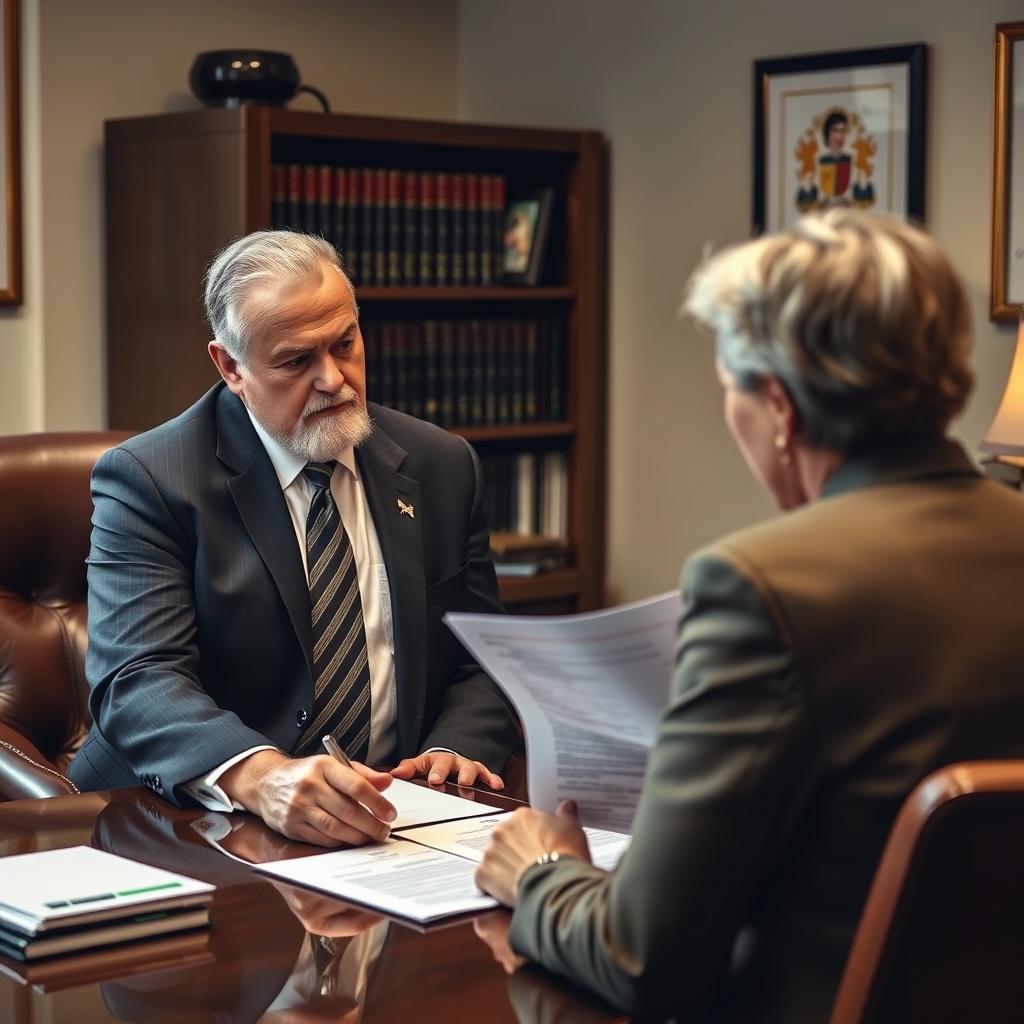
Obstruction Defense Lawyer Manassas, VA
If you are facing an obstruction charge in Manassas, Virginia, you need clear guidance. At Law Offices Of SRIS, P.C., our legal team understands how these cases are prosecuted in the Manassas General District Court and the Manassas Circuit Court. We work to protect your rights, your record, and your future. Contact us today at (888) 437-7747 to request a consultation. Law Offices Of SRIS, P.C. – Advocacy Without Borders.
Above-Fold Trust Block: Law Offices Of SRIS, P.C., founded in 1997, is admitted in Virginia, Maryland, the District of Columbia, New Jersey, and New York. By appointment. Call (888) 437-7747.
What Obstruction Defense Means in Manassas, Virginia
Obstruction of justice charges in Virginia arise when a person is accused of hindering law enforcement, court proceedings, or other official functions. Under Va. Code § 18.2-460, obstruction can be charged as a Class 1 misdemeanor—carrying up to 12 months in jail and a fine of up to $2,500—or, if threats or force are alleged, as a Class 5 felony, punishable by one to ten years in prison. Whether charged as a misdemeanor or felony, the consequences extend beyond the courtroom, potentially affecting employment, housing, and professional licenses.
In Manassas, these cases are heard at the Manassas General District Court (misdemeanors) and Manassas Circuit Court (felonies), both located at 9311 Lee Avenue, Suite 230, Manassas, VA 20110. The Commonwealth’s Attorney for Manassas prosecutes these matters, and the court follows the procedures of the Thirty-first Judicial District. Mr. Sris and his Of Counsel team appear regularly at these courts, and we understand the local practices that can shape how an obstruction charge is handled.
Manassas General District Court is currently presided over by Hon. Che C. Rogers. Court hours: Mon-Fri 8:00AM-4:00PM. Counsel appearing on criminal matters should plan filings accordingly.
How an Obstruction Charge is Prosecuted in Manassas
A misdemeanor obstruction charge begins with a summons or arrest, followed by an arraignment at the General District Court. The court sets a trial date, typically within several weeks. At trial, the Commonwealth must prove beyond a reasonable doubt that you knowingly obstructed an officer or court official in the performance of their duties. Defense strategies often focus on whether the alleged obstruction was intentional or merely a verbal expression protected by the First Amendment, whether the officer was lawfully carrying out their duties, and whether any physical interference occurred.
Felony obstruction charges—such as obstructing with threats of bodily harm—proceed first through a preliminary hearing in General District Court. If the court finds probable cause, the case is certified to the Circuit Court for trial. At the Circuit Court, you have the right to a jury trial. The procedural timeline depends on court scheduling and the complexity of the case, but early intervention by an attorney is critical: witness statements, body-worn camera footage, and other evidence can be preserved and challenged before trial.
How Mr. Sris and His Of Counsel Handle Obstruction Defense Cases
When you work with our firm, we start by listening to your account of events and reviewing the charging documents. We then gather and examine all available evidence—police reports, body-worn camera recordings, witness interviews, and any representations made by law enforcement. Our approach is thorough and detail-oriented, aimed at identifying procedural weaknesses, constitutional violations, or factual inconsistencies that can be raised in your defense.
We negotiate with the Commonwealth’s Attorney where appropriate to seek a reduction of charges, a diversion, or a dismissal. In cases that proceed to trial, Mr. Sris and his Of Counsel prepare each case as though it will be tried, ensuring that we are ready to challenge the prosecution’s evidence and present your side effectively. The firm has documented more than 4,739 case results across all practice areas since 1997, with favorable outcomes in the majority of matters. Results may vary. In your case.
About Mr. Sris and His Of Counsel Team
Mr. Sris, Owner and Founder of Law Offices Of SRIS, P.C., has practiced law since 1997 and is a former prosecutor. He has managed thousands of criminal defense cases and testified before the Virginia House Courts of Justice Committee in support of 2019 HB 635 (chief patron Del. David Bulova). His five-state bar admissions—Virginia, Maryland, the District of Columbia, New Jersey, and New York—mean the firm can handle multi-jurisdictional issues that sometimes arise in obstruction cases.
Mr. Sris is joined by Of Counsel attorneys who bring diverse backgrounds, including a former Virginia State Trooper, giving the team first-hand insight into police training, investigative procedures, and arrest practices. Mr. Sris and his Of Counsel bring extensive combined legal experience to each matter, allowing us to challenge obstruction charges from multiple angles. Results may vary. Past results do not guarantee a similar outcome.
Frequently Asked Questions
How does a Virginia lawyer defend against obstruction charges in Manassas?
Defense strategies in an obstruction case often challenge whether the accused acted knowingly and whether the officer was lawfully performing their duties. Under Va. Code § 18.2-460, the prosecution must show intent. Common defenses include arguing that the conduct was constitutionally protected speech, that the officer’s order was unlawful, that there was no physical interference, or that the officer used excessive force. A Manassas-based defense attorney can also negotiate with the prosecutor to reduce the charge to a lesser offense or enter a first-offender program in certain situations.
What should I do if I am facing obstruction charges in Manassas?
If you are charged with obstruction, exercise your right to remain silent and request an attorney before making any statement to law enforcement. Do not discuss the facts of the case with anyone other than your lawyer. Preserve any text messages, social media posts, or video recordings that may be relevant. Contact an experienced criminal defense lawyer as soon as possible to begin building your defense. Early involvement by counsel can help secure evidence and influence the direction of the case before the first court appearance.
What is the penalty for a misdemeanor obstruction in Manassas, Virginia?
A Class 1 misdemeanor obstruction conviction in Manassas carries up to 12 months in jail and a fine of up to $2,500. Additionally, the court may impose supervised probation, community service, or anger management classes. A permanent criminal record resulting from a conviction can affect employment, housing applications, and professional licensing. For this reason, many defendants seek to have the charge reduced or dismissed through careful negotiation or trial. Results may vary. Past results do not guarantee a similar outcome.
Can an obstruction charge be expunged in Manassas, Virginia?
Virginia allows expungement of an obstruction charge if the case ends in an acquittal, a nolle prosequi, or a dismissal under Va. Code § 19.2-392.2. Convictions generally cannot be expunged. The expungement petition is filed in the Manassas Circuit Court. If the case was resolved through a first-offender program or deferred disposition, expungement may be possible. Because the process is technical, it is important to have an attorney review the specific disposition of your case to determine whether you qualify.
How does bail work for obstruction charges in Manassas?
After an arrest for obstruction in Manassas, a magistrate sets bail based on factors such as the severity of the charge, your ties to the community, and your criminal history. For a first-offense misdemeanor obstruction, personal recognizance (no monetary payment) is common. For a felony obstruction with threats, the court may require a secured bond, which typically involves a bail bondsman charging a non-refundable fee. Your attorney can request a bond review hearing in the Manassas General District Court to seek a more favorable bail determination.
What is the difference between General District Court and Circuit Court for an obstruction case in Manassas?
Misdemeanor obstruction charges are tried in the Manassas General District Court; felony obstruction charges proceed first through a preliminary hearing in GDC and then, if certified, to trial in the Manassas Circuit Court. GDC trials are bench trials heard by a judge, while Circuit Court permits a jury trial. Defendants have an absolute right to appeal a GDC conviction to the Circuit Court for a new trial. Because the stakes are higher in Circuit Court—including potential long-term incarceration—representation by counsel is strongly advisable at every stage.
Do I need a lawyer for an obstruction charge that seems minor?
Yes, because even a misdemeanor obstruction conviction creates a permanent criminal record that can have long-lasting consequences. A conviction may affect your ability to obtain or keep a professional license, pass a background check for employment or housing, and, in some cases, could impact immigration status. An attorney can determine whether statutory or procedural defenses apply to your situation, and can negotiate with the prosecutor to achieve the trusted resolution under the circumstances.
How does the former law enforcement experience at the firm help in obstruction defense?
The firm’s Of Counsel team includes an attorney who served as a Virginia State Trooper for 15 years, providing insight into police training, arrest procedures, and report-writing standards. That experience allows the team to scrutinize officer conduct for procedural errors, inconsistencies between reports and body-worn camera footage, and potential violations of your rights. These are often key areas for challenging obstruction charges in court. Mr. Sris and his Of Counsel use this combined perspective to build a thorough defense on your behalf.
Related Virginia Criminal Defense Pages
Fairfax County Criminal Defense Lawyer |
Prince William County Criminal Defense Lawyer |
Manassas Park Criminal Defense Lawyer |
Fairfax City Criminal Defense Lawyer |
Falls Church Criminal Defense Lawyer
Official Virginia Legal Resources
Virginia Code Title 18.2 (Crimes and Offenses) |
Manassas General District Court |
Virginia Judicial System
Attorney advertising. Prior results do not guarantee a similar outcome.
Results may vary. Case results depend on a variety of factors unique to each case.