
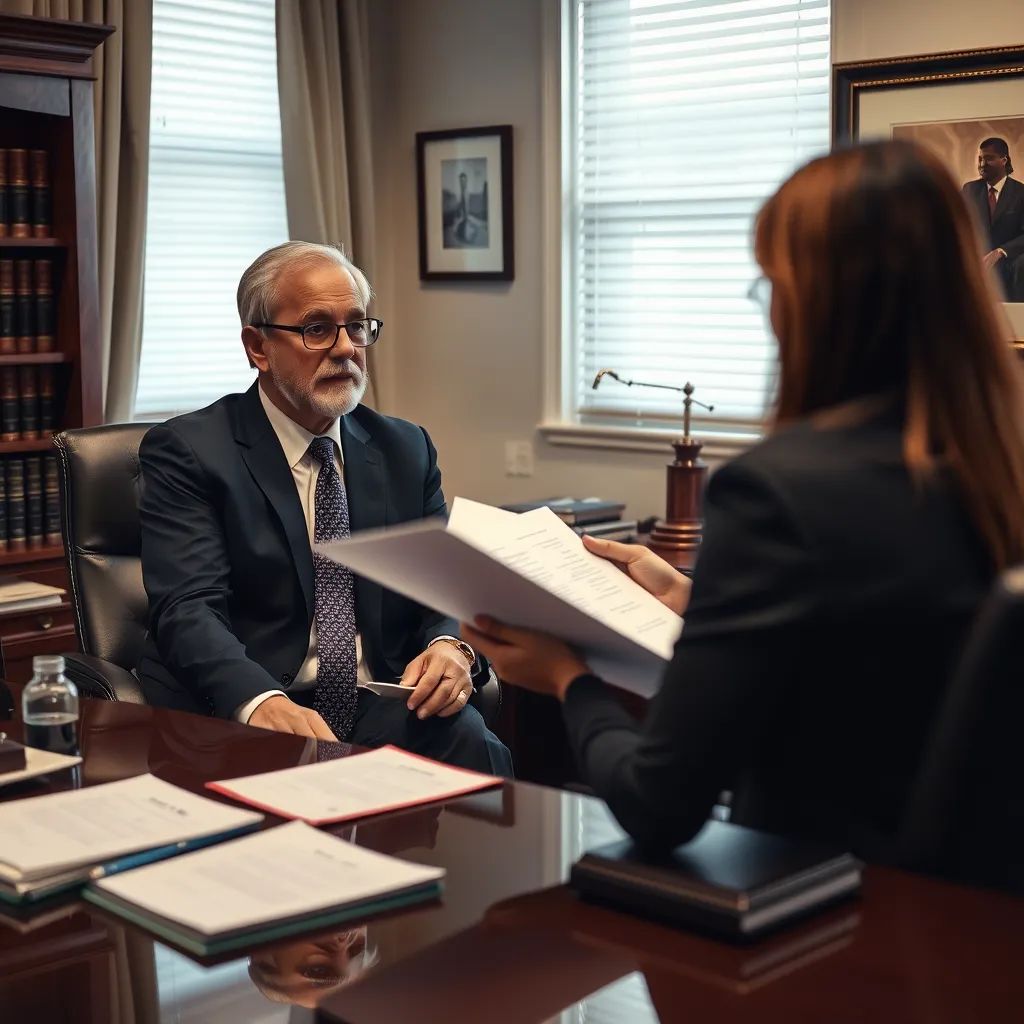
Physical Custody Lawyer Fairfax, VA
Physical custody matters determine where a child lives and which parent makes day-to-day decisions. When parents in Fairfax, Burke, Centreville, or anywhere in Fairfax County disagree about parenting time and residential arrangements, the dispute can affect every part of family life. The Fairfax County Juvenile and Domestic Relations District Court and the Fairfax County Circuit Court resolve physical custody under Virginia law, and the process involves statutory best-interest factors, parenting plans, and sometimes the involvement of a guardian ad litem. Mr. Sris, Owner and Founder of Law Offices Of SRIS, P.C., and the firm’s Of Counsel attorneys represent parents, relatives, and third parties in physical custody proceedings throughout Northern Virginia. Reach the firm at (888) 437-7747 to request a consultation about your custody matter. Law Offices Of SRIS, P.C. – Advocacy Without Borders.
What Physical Custody Means in Fairfax, Virginia
In Virginia, physical custody refers to where a child primarily resides and who provides the daily care. Legal custody, by contrast, concerns the right to make major decisions about education, healthcare, and religious upbringing. The Fairfax County courts frequently address physical custody as part of a divorce or as a standalone petition filed by an unmarried parent, grandparent, or other individual with a legitimate interest in the child’s welfare. Because Fairfax County is part of the Nineteenth Judicial District, cases may be heard in the Fairfax County Juvenile and Domestic Relations District Court on Chain Bridge Road or, when a divorce is also pending, in the Fairfax County Circuit Court.
Virginia Code § 20-124.2 establishes that the best interests of the child are the controlling standard, and § 20-124.3 lists ten factors the court must weigh. These include the child’s age and physical condition, the relationship between the child and each parent, each parent’s willingness to support the child’s relationship with the other parent, and any history of family abuse. The court may also consider the child’s preference if the child is of sufficient age and maturity. In Fairfax County, contested physical custody matters can involve psychological evaluations, home studies, and testimony from teachers, counselors, and medical professionals. The court retains broad discretion to craft a custody arrangement that fits the child’s needs, and it may order joint physical custody, sole physical custody with visitation, or a detailed schedule that accounts for school calendars, holidays, and summer breaks.
How Mr. Sris and the Firm’s Of Counsel Attorneys Handle Physical Custody Cases
Mr. Sris and the firm’s Of Counsel attorneys approach physical custody disputes with a focus on the practical realities of parenting in Northern Virginia. Fairfax County family dockets move on a schedule set by the court, and the firm works to present clear, persuasive evidence on each of the statutory best-interest factors. The process typically begins with an in-depth discussion of the family’s history, the child’s current living situation, and each parent’s goals. The firm then evaluates whether a temporary custody order, negotiated parenting plan, or fully litigated custody trial is the appropriate path for the circumstances.
When the other parent has relocated or is seeking to relocate, Virginia Code § 20-124.5 requires advance written notice, and the court assesses how the move would affect the child’s stability and the relationship with the left-behind parent. The firm’s attorneys have handled custody modifications, enforcement of existing orders, and interstate custody matters that involve the Uniform Child Custody Jurisdiction and Enforcement Act. In every matter, Mr. Sris and the firm’s Of Counsel attorneys engage with the Fairfax County court system to address the specific issues that the judge will consider, including the child’s adjustment to home, school, and community. Throughout the process, the firm maintains communication with clients about hearing preparation, document gathering, and settlement opportunities.
About Mr. Sris and the Firm’s Of Counsel Attorneys
Mr. Sris, Owner and Founder of Law Offices Of SRIS, P.C., is a former prosecutor who has practiced since 1997. He is admitted in Virginia, Maryland, the District of Columbia, New Jersey, and New York. Mr. Sris testified before the Virginia House Courts of Justice Committee in support of 2019 HB 635 (chief patron Del. David Bulova). His background in prosecution and his multi-state practice inform the firm’s approach to custody litigation, particularly when allegations of abuse, interstate relocation, or complex financial issues are present.
The firm’s Of Counsel attorneys bring experience in family law, criminal defense, and civil litigation, which is valuable when a custody matter involves domestic violence, child protective services, or parallel criminal proceedings. Together, Mr. Sris and the firm’s Of Counsel attorneys have handled matters across multiple practice areas since 1997. Results may vary. The firm’s Fairfax location at 4008 Williamsburg Court serves clients throughout Fairfax County and the City of Fairfax. Consultations are available by appointment at (888) 437-7747.
Frequently Asked Questions
How does a Virginia court decide physical custody?
A Virginia court decides physical custody based on the best interests of the child. The judge evaluates ten statutory factors under Virginia Code § 20-124.3, including each parent’s relationship with the child, the child’s needs, any history of abuse, and the willingness of each parent to support the child’s relationship with the other parent. The court may also consider the child’s preference if the child is mature enough. In Fairfax County, the Juvenile and Domestic Relations District Court handles standalone custody cases, while the Circuit Court addresses custody within a divorce. The court may order sole physical custody, joint physical custody, or a tailored parenting schedule that accounts for school, holidays, and extracurricular activities.
Do I need a lawyer for a physical custody case in Fairfax County?
You are not required to have a lawyer, but physical custody proceedings involve procedural rules, evidentiary standards, and statutory factors that can be difficult to navigate without legal guidance. The Fairfax County courts expect parties to present evidence, call witnesses, and follow local scheduling orders. An attorney can help you gather relevant documents, identify supporting witnesses, present a parenting plan, and argue the trusted-interest factors effectively. Even when parents agree on a custody arrangement, an attorney can draft the order so that it accurately reflects the agreement and complies with Virginia Code § 20-124.2. Mistakes in paperwork or failure to raise a key factor can affect the outcome.
What is the difference between physical custody and legal custody in Virginia?
Physical custody concerns where the child lives and who handles the daily routine, while legal custody involves the authority to make major decisions about education, healthcare, and religious upbringing. Virginia courts often award joint legal custody even when one parent has primary physical custody. A parent with sole physical custody may still share legal custody, meaning both parents must consult on major decisions. The Fairfax County Juvenile and Domestic Relations District Court will address both types of custody in any petition if the parties or the child’s circumstances require resolution of both issues. The court’s order will specify the physical arrangement and the legal decision-making structure.
Can a physical custody order be modified in Fairfax, Virginia?
Yes, a physical custody order can be modified if there has been a material change in circumstances and the modification serves the child’s best interests. Changes such as a parent’s relocation, a change in the child’s needs, or a parent’s inability to provide a safe environment may justify a modification. In Fairfax County, a motion to modify is filed in the court that issued the original order. The parent seeking modification must prove the change is substantial and that the proposed new arrangement is better for the child. The court may hold a hearing and consider updated evidence under the same best-interest factors in § 20-124.3. A lawyer can assess whether your situation meets the legal threshold for modification.
What should I bring to a consultation about physical custody?
Bring any existing court orders, parenting plans, and correspondence with the other parent about the children. If there are text messages, emails, or communication logs that show the parenting schedule or disputes, bring copies. School records, medical records, and any reports from counselors or therapists can be helpful. If you have concerns about the other parent’s behavior—such as missed visits, substance use, or domestic violence—bring any documentation that supports those concerns. The consultation will cover the facts, the applicable Virginia statutes, and the approach that fits your circumstances. The firm’s attorneys will discuss what the Fairfax County courts typically expect in custody proceedings.
How long does a physical custody case take in Fairfax County?
The timeline depends on whether the case is contested or resolved by agreement and on the court’s docket. An uncontested custody matter with a signed parenting plan can be finalized in a matter of weeks after filing. Contested custody that requires a trial, witness testimony, and possibly a guardian ad litem investigation can take several months to over a year, depending on the complexity and the availability of court dates in the Fairfax County Juvenile and Domestic Relations District Court or Circuit Court. Emergency custody petitions are heard on an expedited basis. The firm works to move the case forward while ensuring thorough preparation for each hearing.
Family law matters in Fairfax County | Family law services in Falls Church | Prince William County family law representation
For additional information, consult the Virginia Code § 20-124.2 (best interests of the child) and the Fairfax County Circuit Court.
Attorney advertising. Prior results do not guarantee a similar outcome. Case results depend on a variety of factors unique to each case. Results may vary.