
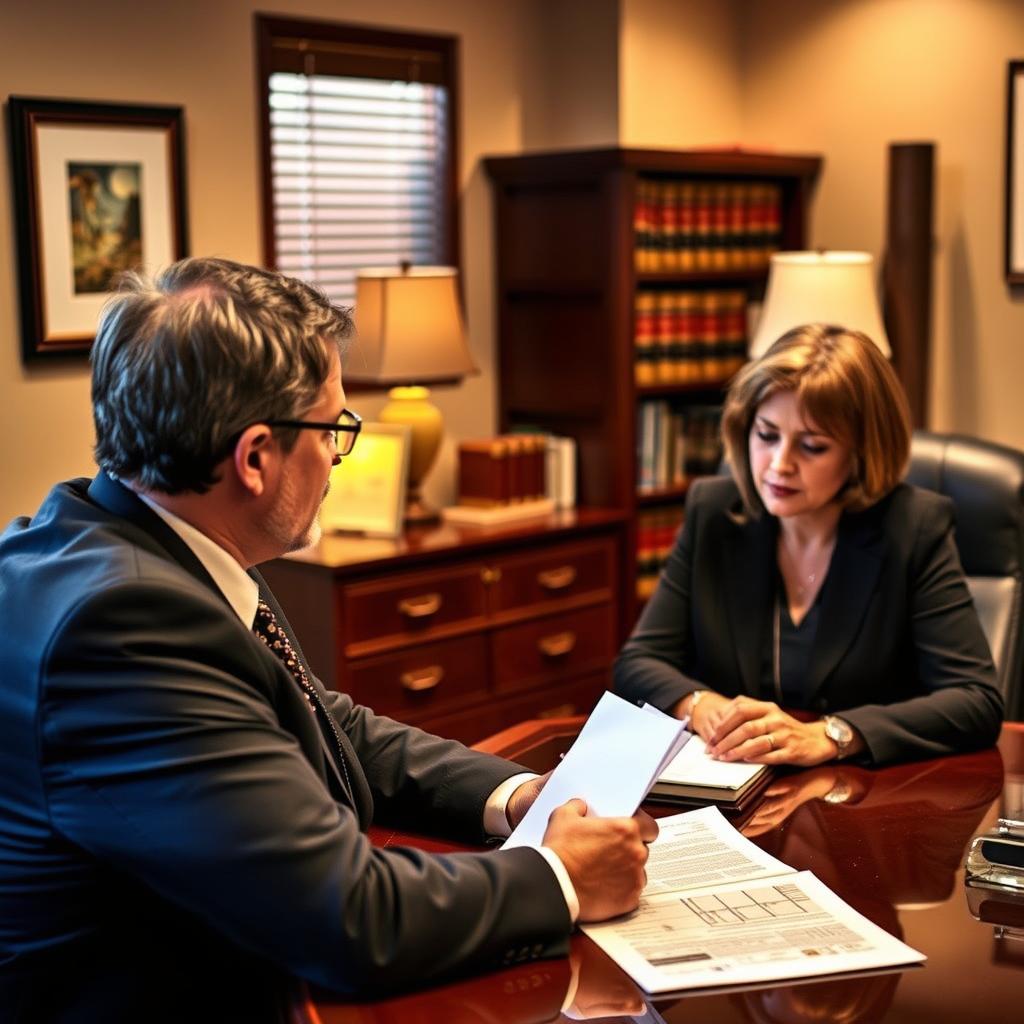
Post Divorce Modification Lawyer Arlington County, VA
After a Virginia divorce decree becomes final, life does not stand still. A job loss, a move across the country, a new marriage, or a child’s changing educational needs can render the original custody, visitation, child support, or spousal support orders unworkable. Post‑divorce modification is the legal process that allows a party to ask the court to adjust those orders when a material change in circumstances has occurred. In Arlington County, modifications are heard in the Arlington County Juvenile and Domestic Relations District Court for custody and support matters, or in the Arlington County Circuit Court when the request involves property division or spousal support tied to a divorce decree. Mr. Sris, Owner and Founder of Law Offices Of SRIS, P.C., and the firm’s Of Counsel attorneys represent individuals seeking post‑divorce modifications throughout Arlington, Crystal City, Rosslyn, Clarendon, Ballston, Pentagon City, and Shirlington. To discuss your specific situation, reach our Arlington location at (888) 437‑7747. Law Offices Of SRIS, P.C. – Advocacy Without Borders.
How Post‑Divorce Modifications Are Handled in Arlington County, Virginia
Virginia law permits the modification of custody, visitation, child support, and spousal support when the party seeking the change can demonstrate a material change in circumstances that affects the child’s best interests or the fairness of the existing order. The standards differ depending on what is being modified. For child custody and visitation, the court’s primary focus is the child’s welfare under Va. Code § 20‑124.3. A parent who wishes to relocate, for instance, must show that the move is in the child’s best interests and that the current schedule is no longer workable.
Modifying child support usually requires proof that the existing amount is significantly at variance with the Virginia child‑support guidelines, often because of a change in a parent’s income or the child’s needs. Spousal support modification, governed by Va. Code § 20‑107.1, generally requires a showing of a material change in financial circumstances that is not temporary. The Arlington County Circuit Court retains jurisdiction over spousal support orders that were entered as part of a divorce decree, while the Juvenile and Domestic Relations District Court handles stand‑alone support modifications. In every case, a petitioner must file a motion with the appropriate court, serve the other party, and be prepared to present evidence. Our firm guides clients through each step, from gathering documentation to arguing the motion before the judge.
Frequently Asked Questions
What is a post‑divorce modification in Virginia?
A post‑divorce modification is a court‑ordered change to an existing divorce decree covering custody, visitation, child support, or spousal support. After a divorce is final, either party may request a modification if they can show that a material change in circumstances has occurred since the last order was entered. The court will not re‑litigate the original divorce; it focuses solely on whether the current arrangement continues to serve the child’s best interests or remains equitable. The process requires filing a formal motion and presenting evidence in the proper Arlington County court.
What qualifies as a material change in circumstances for a custody modification?
A material change is a substantial alteration in the child’s or a parent’s life that directly affects the child’s well‑being. Examples include a parent’s relocation, a significant change in a parent’s work schedule, a child’s serious health or educational needs, or evidence that the other parent is no longer providing a safe environment. The change must be more than a minor inconvenience. The court evaluates the change under the ten best‑interests factors listed in Va. Code § 20‑124.3 before deciding whether a new custody or visitation plan is warranted.
How do I modify child support in Arlington County?
You start by filing a motion to modify child support with the Arlington County Juvenile and Domestic Relations District Court. You will need to complete the required court forms, explain why the current support amount no longer meets the Virginia guidelines, and provide updated financial information for both parents. Common grounds for modification include a job loss, a substantial income increase, a change in the child’s medical or educational expenses, or a change in the custody arrangement. The court may schedule a hearing, at which both sides present evidence. Attorney representation can help ensure the paperwork is complete and the argument is properly framed.
Can I modify spousal support after a divorce?
Yes, spousal support can be modified if you can show a material change in financial circumstances that is not temporary. The Virginia court considers factors such as a party’s retirement, a significant change in income, remarriage of the receiving spouse, or cohabitation that reduces the need for support. Because spousal support orders entered as part of a divorce decree fall under the Circuit Court’s jurisdiction, a motion to modify must be filed in the Arlington County Circuit Court if the original divorce was handled there. The court will examine the same statutory factors that were originally used to set the award.
Do I need a lawyer for a post‑divorce modification?
You are not required to hire a lawyer, but having experienced counsel can be important because the legal standards are fact‑intensive and the paperwork must be precise. A party proceeding without counsel must meet the same evidentiary requirements as a represented party. An attorney can help identify the most compelling evidence, prepare the motion, and present the case effectively. If the other parent has a lawyer, going alone can put you at a disadvantage. A consultation allows you to understand the strength of your case before you decide how to proceed.
Which court handles post‑divorce modifications in Arlington County?
The Arlington County Juvenile and Domestic Relations District Court hears modifications involving custody, visitation, and child support, while the Arlington County Circuit Court handles spousal support modifications that are part of a divorce decree. If your divorce case was assigned to the Circuit Court, you may need to return to the same court for any spousal support motion. Custody and support matters that were originally handled by the J&DR court remain there. Our attorneys appear in both courts and can file your motion in the correct venue.
How long does the modification process take?
The timeline depends on court scheduling, the complexity of the issues, and whether the parties agree. If both parties sign a consent order, the modification can be resolved relatively quickly—often within a few weeks to a few months. Contested modifications, where one party opposes the change, usually take longer because the court must hold a hearing and may order mediation or a custody evaluation. The Arlington County courts have their own calendars, and some delays are unavoidable. We work to move matters forward as efficiently as the process allows.
What factors does the court consider for a custody modification?
The court applies the same ten best‑interests factors listed in Va. Code § 20‑124.3 that govern an initial custody determination. Those factors include the age and mental condition of the child and each parent, the existing relationship between the child and each parent, the child’s needs, each parent’s willingness to support the child’s relationship with the other parent, and any history of family abuse. The court gives particular weight to whether the proposed change will serve the child’s long‑term stability. A parent seeking a modification must present evidence that the current arrangement is no longer working.
Can we agree on modifications outside of court?
Yes, parents can reach an agreement on a post‑divorce modification without a contested hearing. If both parties consent to the change, they can sign a written stipulation or a new parenting plan and submit it to the court for approval. The judge must still find that the agreement is in the child’s best interests before entering the order. Agreed modifications often resolve faster and are less expensive than litigated ones. An attorney can draft the agreement to ensure it covers all necessary points and is properly filed.
What if the other parent violates the modified order?
If a parent fails to comply with a court‑ordered modification, the aggrieved party can file a motion for enforcement or contempt with the court that issued the order. The court has the authority to impose sanctions, including fines, make‑up parenting time, or, in serious cases, jail time. The motion must describe the violation and what relief is sought. Evidence such as missed payments, refusal to follow the visitation schedule, or failure to transfer the child is necessary. We help clients prepare and file enforcement motions and represent them at show‑cause hearings.
How much does a post‑divorce modification cost?
The cost varies depending on whether the modification is contested and the number of court appearances required. Uncontested modifications with a signed agreement tend to involve lower fees because less court time is needed. Contested cases that require discovery, a custody evaluation, or multiple hearings generally cost more. Our firm discusses fees during an initial consultation so that clients understand the likely range before we begin work. We offer consultations by appointment and accept major credit cards.
About Mr. Sris and the Firm’s Of Counsel Attorneys
Mr. Sris, Owner and Founder of Law Offices Of SRIS, P.C., is a former prosecutor who has concentrated his practice on Virginia family law matters for many years. He and the firm’s Of Counsel attorneys bring extensive combined legal experience to post‑divorce modification cases in Arlington County. Results may vary. Mr. Sris testified before the Virginia House Courts of Justice Committee in support of 2019 HB 635 (chief patron Del. David Bulova), a bill that revised Virginia’s equitable distribution statute. His familiarity with Virginia’s domestic‑relations statutes helps him identify the strong $1s for a modification. The firm’s Of Counsel attorneys, all of whom are experienced litigators, work alongside Mr. Sris to prepare motions, gather evidence, and represent clients at hearings. To speak with us about your post‑divorce modification matter, reach our Arlington location at (888) 437‑7747.
For family‑law matters in nearby communities, see our pages on Fairfax County, Prince William County, and Loudoun County.
Primary legal resources: Virginia Code Title 20 (Domestic Relations); Arlington County Circuit Court; Virginia Courts.
Attorney advertising. Prior results do not guarantee a similar outcome. Results may vary.
Case results depend on a variety of factors unique to each case.