
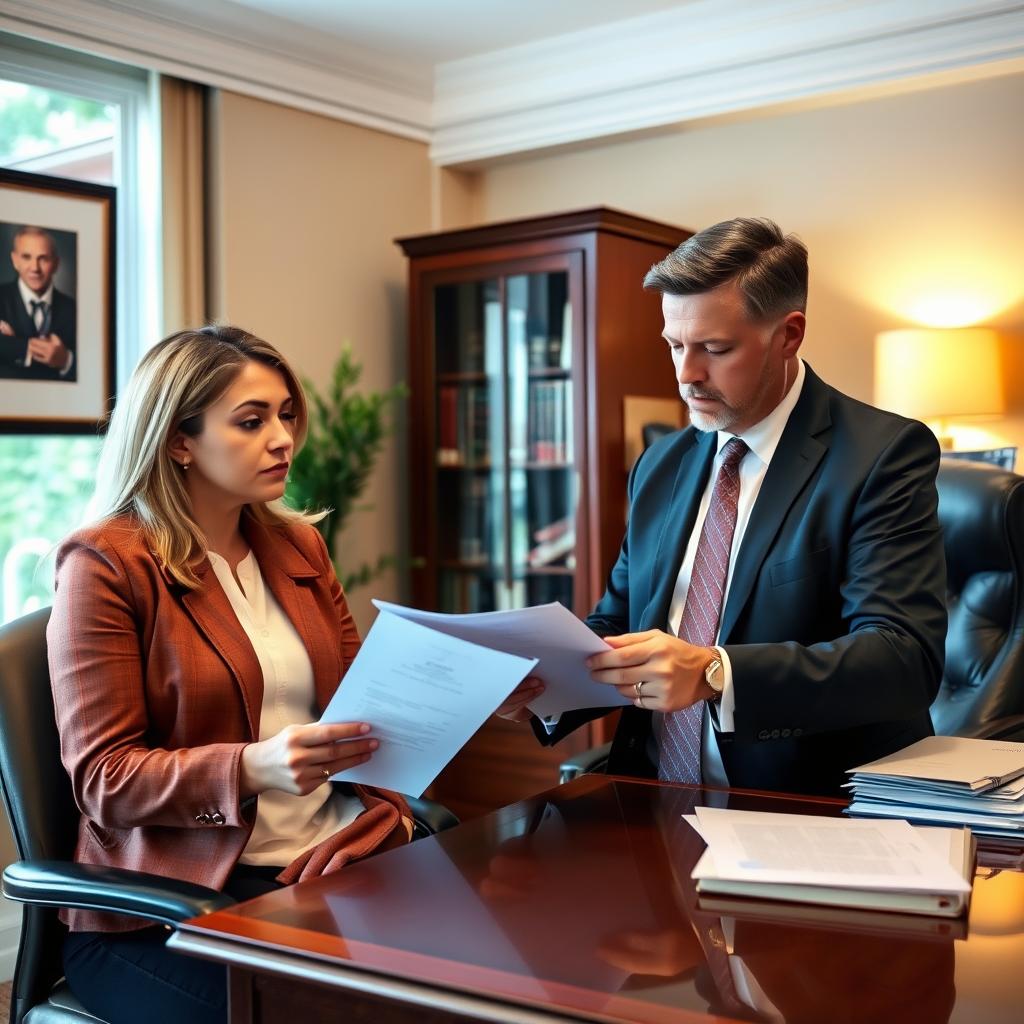
Rehabilitative Alimony Lawyer Fairfax County, VA
Rehabilitative alimony, also referred to as time-limited spousal support, is designed to provide a supported spouse with the financial assistance needed to gain education, training, or work experience to become self-supporting. In Fairfax County, Virginia, these matters are typically resolved within the larger context of a divorce or a separate maintenance action. Mr. Sris and the firm’s Of Counsel attorneys represent clients in rehabilitative alimony proceedings before the Fairfax County Circuit Court and the Fairfax County Juvenile and Domestic Relations District Court. If you are navigating a spousal support dispute and need guidance on what rehabilitative alimony means for your financial future, reach Law Offices Of SRIS, P.C. at (888) 437-7747 to schedule a consultation. Law Offices Of SRIS, P.C. – Advocacy Without Borders.
What Rehabilitative Alimony Means in Fairfax County
Virginia law gives the court broad discretion to award spousal support in the form of rehabilitative alimony under Virginia Code § 20‑107.1. The purpose is to bridge the gap while the recipient spouse acquires the skills or credentials necessary to reach self-sufficiency. Fairfax County, one of the busiest judicial districts in the Commonwealth, follows the same statutory framework, but local practice in the Nineteenth Judicial District often emphasizes detailed financial disclosures and realistic vocational plans because of the region’s high cost of living and competitive job market.
The Fairfax County Circuit Court handles all divorce, equitable distribution, and spousal support matters, including rehabilitative alimony when it is part of a divorce suit. The Fairfax County Juvenile and Domestic Relations District Court may address spousal support in a separate maintenance proceeding or when custody and child support are involved. Whether you are the party seeking support or the one who may be ordered to pay it, understanding how these two courts interact is essential to protecting your interests. Mr. Sris and the firm’s Of Counsel attorneys regularly appear in both courts and can help you evaluate whether rehabilitative alimony is likely to be an issue in your case.
How Mr. Sris and the Firm’s Of Counsel Attorneys Approach Rehabilitative Alimony Cases
A request for rehabilitative alimony requires the court to examine the recipient spouse’s need, the payor’s ability to pay, and the realistic timeframe for the recipient to re-enter the workforce. Mr. Sris and the firm’s Of Counsel attorneys work with clients to present a complete picture of each party’s financial circumstances—including income, earning capacity, education, age, health, and the standard of living established during the marriage. In Fairfax County, the court will also weigh the length of the marriage, the contributions each spouse made to the family, and the specific employment opportunities available to the recipient in the Northern Virginia economy.
The firm’s Of Counsel attorneys bring extensive combined legal experience. Mr. Sris, a former prosecutor, founded the firm in 1997 and has practiced family law throughout Virginia, Maryland, the District of Columbia, New Jersey, and New York. He and the firm’s Of Counsel attorneys are familiar with the procedural requirements of the Fairfax County courts, from the initial filing of a complaint to the entry of a pendente lite support order and the final decree. Because rehabilitative alimony is often intertwined with property division and child support, the firm takes an integrated approach that avoids piecemeal settlement that could create future financial risk. While every matter is different, the team works to achieve a resolution that positions the supported spouse for independence without imposing an unreasonable burden on the payor. Results may vary.
About Mr. Sris and the Firm’s Of Counsel Attorneys
Mr. Sris, Owner and Founder of Law Offices Of SRIS, P.C., has concentrated his practice on family law matters for nearly three decades. As a former prosecutor, he brings a thorough understanding of courtroom dynamics and evidence to every spousal support hearing. He maintains a manageable caseload so that he can remain personally involved in strategic decision-making on each matter. The firm’s Of Counsel attorneys include professionals with backgrounds in criminal defense, CPS, business litigation, and law enforcement—experience that often proves valuable when a fair assessment of income, hidden assets, or credibility issues is critical in a rehabilitative alimony dispute. Mr. Sris and the firm’s Of Counsel attorneys are admitted in Virginia, Maryland, the District of Columbia, New Jersey, and New York and serve clients throughout Fairfax County from the firm’s Fairfax location.
Frequently Asked Questions
What is rehabilitative alimony in Virginia?
Rehabilitative alimony is a time-limited form of spousal support intended to help a dependent spouse become economically self-sufficient through education, training, or work experience. Unlike permanent alimony, it is typically awarded for a defined period that corresponds to the reasonable time needed to complete a vocational program, obtain a degree, or otherwise re-enter the job market. Virginia courts decide whether rehabilitative alimony is appropriate based on the factors in Va. Code § 20‑107.1(E), including the parties’ incomes, earning capacities, ages, health, and the duration of the marriage. If you are unsure whether this type of support may apply to your situation, consult an experienced family law attorney.
How does a Fairfax County court decide the amount and duration of rehabilitative alimony?
The court evaluates the same 13 statutory factors that apply to any spousal support award, but places particular emphasis on the recipient spouse’s need for training or education and the amount of time that training will reasonably take. In Fairfax County, judges often expect a detailed vocational plan supported by evidence of program cost, duration, and expected earning potential after completion. The court will also consider the payor spouse’s ability to pay without undue financial hardship. The timeline depends on the nature of the training and the court’s scheduling. For a more precise assessment of what the court may consider in your specific case, reach Law Offices Of SRIS, P.C. at (888) 437-7747.
Can rehabilitative alimony be modified after it is ordered?
Yes, rehabilitative alimony can be modified if there has been a material change in circumstances that was not contemplated at the time the original order was entered. For example, if the recipient spouse becomes injured and can no longer complete the anticipated training, or if the payor spouse loses a job through no fault of their own, a modification petition may be filed. However, the court will not extend the original rehabilitative period simply because the recipient did not complete the training fast enough unless the delay was unavoidable. To discuss whether a modification is available in your situation, contact Law Offices Of SRIS, P.C. at (888) 437-7747.
What is the difference between rehabilitative alimony and permanent alimony in Virginia?
Rehabilitative alimony lasts for a fixed period designed to get the recipient back on their feet, while permanent (or indefinite) alimony continues until a court orders otherwise, often because the recipient cannot become self-supporting due to age, disability, or long absence from the workforce. Virginia law presumes that alimony should be of limited duration unless the circumstances warrant indefinite support. The court may also combine the two—awarding a short rehabilitative term followed by a review to determine if permanent support is needed. Mr. Sris and the firm’s Of Counsel attorneys can help you understand which form of support is at issue in your divorce.
Do I need a lawyer for a rehabilitative alimony case in Fairfax County?
You are not required to have legal representation, but the financial stakes and procedural complexity make it advisable to work with an attorney who regularly practices in the Fairfax County courts. Anytime the court is asked to analyze multiple years of financial records, assess earning capacity, and project future employment opportunities, mistakes in presentation or calculation can significantly affect the support amount or length. Mr. Sris and the firm’s Of Counsel attorneys bring extensive combined legal experience to these matters. Results may vary. To schedule a consultation, call (888) 437-7747.
Additional resources you may find helpful:
Alimony lawyers in Fairfax County — Spousal support representation — Fairfax divorce attorneys — Virginia family law practice — Child support matters in Fairfax County
Authoritative Virginia primary sources:
Virginia Code Title 20 (Domestic Relations) — Virginia Judicial System
Attorney advertising. Prior results do not guarantee a similar outcome. Case results depend on a variety of factors unique to each case. Results may vary.