
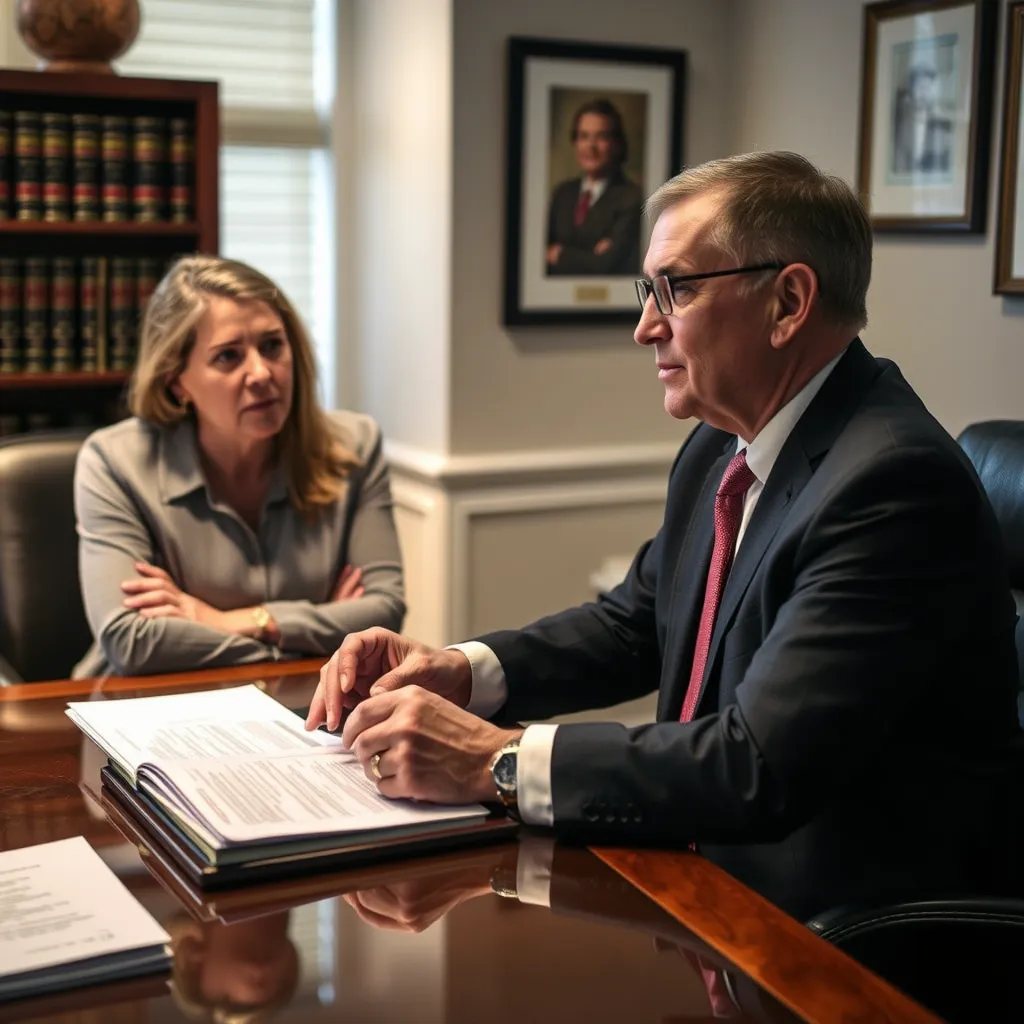
Relative Adoption Lawyer Fairfax, VA
Relative adoption allows a family member—such as a grandparent, aunt, uncle, or adult sibling—to adopt a child, often making the process more straightforward than a non-relative adoption. In Virginia, relative adoptions are governed by Va. Code § 63.2-1200 et seq. And are heard in the Fairfax County Juvenile and Domestic Relations District Court or the Fairfax County Circuit Court. While the law recognizes the existing family bond, the adoption must still be approved by a judge and must meet statutory requirements. Law Offices Of SRIS, P.C. helps families in Fairfax, Burke, Centreville, Herndon, and the surrounding communities handle relative adoptions with a focus on clear procedure and careful attention to each family’s circumstances. Mr. Sris, Owner and Founder, and the firm’s Of Counsel attorneys assist relatives through the petition, consent requirements, any necessary home study, and the finalization hearing. Reach the firm at (888) 437‑7747 to request a consultation. Law Offices Of SRIS, P.C. – Advocacy Without Borders.
Understanding Relative Adoption in Fairfax, Virginia
A relative adoption is a legal process by which a close family member becomes the child’s legal parent. Under Virginia law, the court will consider whether the adoption is in the best interests of the child, whether the required consents have been given or waived, and whether the adoptive parent is suitable. Because the adoptive parent is already a relative, certain requirements—such as the pre-placement investigation and post-placement supervision that apply in some non-relative cases—may be waived or modified at the court’s discretion. However, the basic adoption petition, the consent (or termination of parental rights) of the biological parents, and the final order of adoption are still necessary.
In Fairfax County, relative adoption petitions are filed in the Juvenile and Domestic Relations District Court unless the adoption is part of a broader family law matter in the Circuit Court. The process involves filing a petition with supporting documents, serving notice on the biological parents (unless their rights have been terminated or they consent), attending a hearing, and obtaining the final order of adoption. The court may also require a home study or a report from a guardian ad litem if the judge believes it is needed to determine the child’s best interests. Because every family’s situation is different, the specific steps and timeline vary by case.
Frequently Asked Questions
What is a relative adoption?
A relative adoption is a legal proceeding in which a close family member—such as a grandparent, aunt, uncle, or adult sibling—petitions the court to become the child’s legal parent. In Virginia, these adoptions are governed by Va. Code § 63.2-1200 et seq. Because the adoptive parent is already a relative, the court may streamline some procedural requirements, but the adoption must still be in the child’s best interests and receive judicial approval. The final order of adoption creates a permanent parent-child relationship with all the legal rights and responsibilities that follow.
Who qualifies as a relative for a relative adoption in Virginia?
Under Virginia law, a relative for adoption purposes generally includes grandparents, aunts, uncles, adult siblings, and may also include step-parents, depending on the circumstances. The exact definition can vary by statute and court interpretation. The court will evaluate the nature of the familial relationship when deciding whether to treat the adoption as a relative adoption. The Virginia Department of Social Services and local courts can provide further guidance on who falls within the statutory definition of a relative.
Do I need the biological parents’ consent for a relative adoption?
Yes, generally the biological parents must consent to the adoption, or their parental rights must be terminated by the court. If the biological parent is living and their parental rights have not been terminated, their consent is required unless the court finds that consent is being withheld contrary to the child’s best interests or that a statutory ground for dispensing with consent exists. In some cases, a biological parent may voluntarily relinquish parental rights. The specific requirements depend on the facts of the case.
How does a relative adoption proceeding work in Fairfax County?
A relative adoption in Fairfax County begins with the filing of a petition in the Fairfax County Juvenile and Domestic Relations District Court or, if part of a broader family law matter, in the Fairfax County Circuit Court. The petition must include certain information about the child, the adoptive parent, and the biological parents. Notice is provided to the biological parents, and the court may appoint a guardian ad litem to represent the child’s interests. After any required investigations or reports, the court holds a hearing to determine whether the adoption is in the child’s best interests and whether all legal requirements have been satisfied. If approved, the court enters a final order of adoption.
Can a relative adoption be contested?
Yes, a relative adoption can be contested, most often by a biological parent who refuses to consent or by another family member who believes the adoption is not in the child’s best interests. When contested, the court will hold a hearing to receive evidence and arguments. The judge will decide based on the statutory factors and the best interests of the child. While relative adoptions may face fewer obstacles than non-relative adoptions, a contested case can still require careful presentation of evidence and legal argument.
How long does a relative adoption take in Virginia?
The timeline for a relative adoption in Virginia varies based on the specific court’s calendar, whether the adoption is contested, and whether a home study or guardian ad litem investigation is required. In straightforward, uncontested cases where all consents are obtained and no further investigation is ordered, the process may proceed more quickly than in contested or complex cases. The court’s scheduling and the need to give proper notice to all parties also affect the overall duration.
What are the costs associated with a relative adoption in Fairfax?
Costs for a relative adoption include court filing fees, fees for service of process, and attorney fees, all of which vary by case. Filing fees are set by the court and are subject to change. If the court requires a home study or guardian ad litem, those services carry separate costs. Attorney fees depend on the complexity of the case and the fee arrangement with the lawyer. For a current estimate of court fees, contact the clerk’s office. For attorney fees, request a consultation with Law Offices Of SRIS, P.C. at (888) 437‑7747.
Do I need a lawyer for a relative adoption?
Virginia law does not require you to hire a lawyer to file a relative adoption, but the process involves detailed court documents, strict notice requirements, and a hearing before a judge. Because an adoption permanently alters the legal relationship between parent and child and may affect inheritance, custody, and other rights, many families choose to work with an experienced attorney. An attorney can help ensure the petition is properly prepared, that consents are obtained or waived correctly, and that the family’s interests are presented at the hearing.
What is the role of the Fairfax County Juvenile and Domestic Relations Court in adoptions?
The Fairfax County Juvenile and Domestic Relations District Court has jurisdiction over most relative adoption cases, including the initial petition, any consent hearings, and the final adoption hearing. The court’s role is to determine whether the adoption is legally proper and in the best interests of the child. The judge reviews the petition, any reports from a guardian ad litem, and the positions of the parties before issuing the final order of adoption. In some cases, the adoption may be consolidated with other family law matters in the Circuit Court.
Can the adoption be reversed later?
Once a final order of adoption is entered, it is generally permanent, and revoking an adoption is extremely difficult under Virginia law. An adoption may be challenged only on narrow grounds, such as fraud, duress, or a fundamental procedural defect that affected the validity of the order. The court system places a high value on the finality of adoptions to provide stability for the child. If you have concerns about the validity of an adoption or a change in circumstances, speak with an attorney about your specific situation.
About Mr. Sris and the Firm’s Of Counsel Attorneys
Mr. Sris, Owner and Founder of Law Offices Of SRIS, P.C., has practiced law since 1997 and is admitted in Virginia, Maryland, the District of Columbia, New Jersey, and New York. The firm’s Of Counsel attorneys bring experience in family law and court procedure. In a relative adoption, the firm assists clients with preparing the petition, gathering necessary consents, navigating any home study or guardian ad litem involvement, and representing the family at the finalization hearing. To discuss a relative adoption in Fairfax with Mr. Sris and the firm’s Of Counsel attorneys, call (888) 437‑7747. Results may vary.
Attorney advertising. Prior results do not guarantee a similar outcome.
Case results depend on a variety of factors unique to each case.