
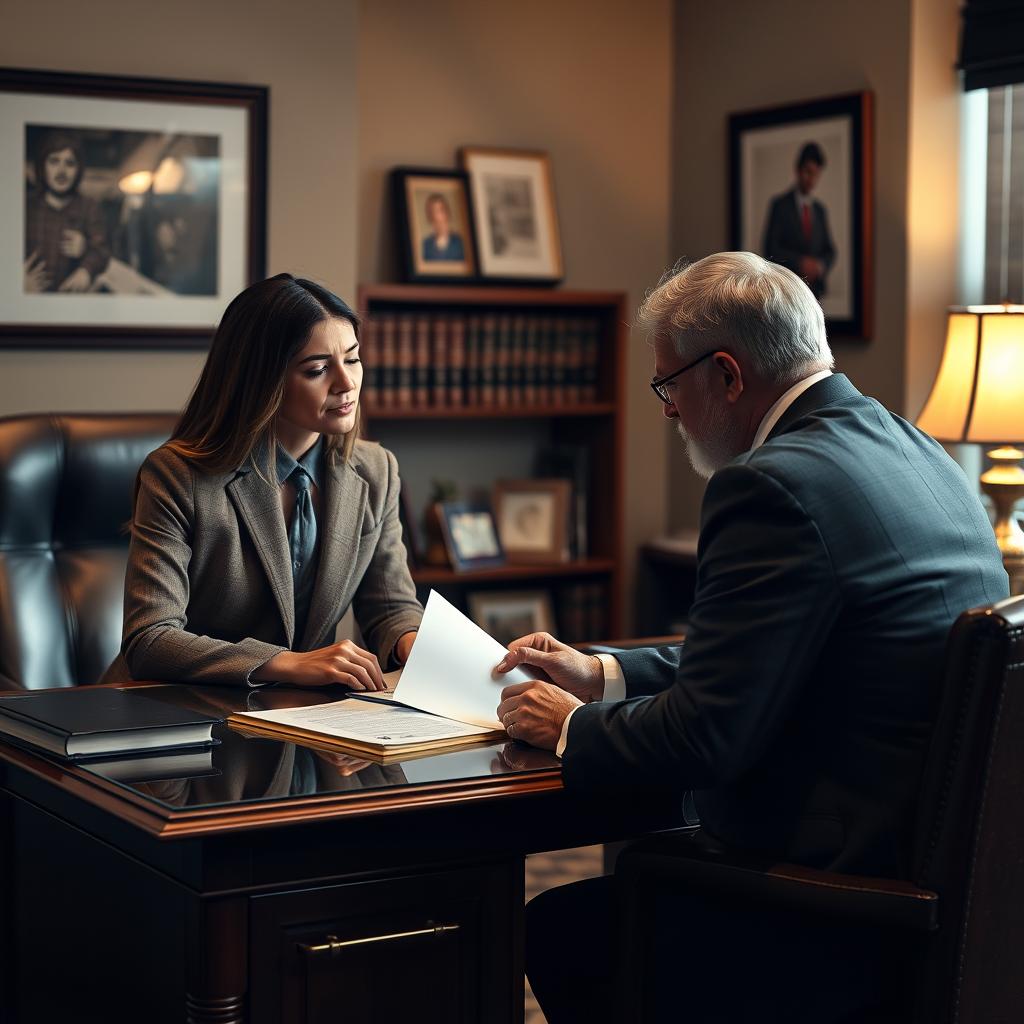
Cruelty Divorce Lawyer Prince William County, VA
Cruelty is a fault ground for divorce in Virginia, recognized under Va. Code § 20‑91. When a spouse’s conduct endangers your physical or emotional well‑being and makes cohabitation unsafe, you may file for a cruelty divorce in Prince William County Circuit Court. The court, located at 9311 Lee Avenue in Manassas, exercises exclusive jurisdiction over divorce actions, while custody and support matters may also be heard in the Prince William County Juvenile and Domestic Relations District Court. Mr. Sris, Owner and Founder of Law Offices Of SRIS, P.C., and his Of Counsel team bring extensive combined legal experience to fault‑based divorce cases. They work to present clear evidence of cruel treatment, advocating for your safety and a fair resolution of property, support, and custody issues. From our Fairfax location, we serve clients throughout Prince William County, including Manassas, Woodbridge, Dale City, Dumfries, Gainesville, Haymarket, Lake Ridge, and Occoquan. To request a consultation, call (888) 437‑7747. Law Offices Of SRIS, P.C. – Advocacy Without Borders.
What a Cruelty Divorce Means in Prince William County, Virginia
In Virginia, cruelty as a divorce ground requires more than simple unhappiness or quarreling. The spouse alleging cruelty must show that the other spouse’s behavior is so severe that it endangers health, causes a reasonable apprehension of bodily harm, or otherwise makes continued cohabitation unbearable. The conduct can be physical, emotional, or psychological, but it must be serious and established with competent evidence. Prince William County courts evaluate each case based on the specific facts presented.
Because cruelty divorces are fault‑based, the outcome can affect property division, spousal support, and even custody determinations. The court may consider the cruelty when deciding equitable distribution under Va. Code § 20‑107.3, and spousal misconduct can influence an award of support. A spouse seeking a cruelty divorce must file a Complaint for Divorce in Prince William County Circuit Court, which sits as the thirty‑first judicial circuit. The firm’s familiarity with the local bench and the procedural expectations of the Circuit Court helps clients present their case in the strongest possible light.
How Mr. Sris and His Of Counsel Handle Cruelty Divorce Cases
When a client meets with the team at Law Offices Of SRIS, P.C., the first step is a detailed consultation to understand the facts and determine whether the evidence supports a cruelty claim. Mr. Sris and his Of Counsel assess the available proof—witness statements, medical records, police reports, electronic communications, and testimony from those who have observed the conduct. They counsel clients on what to expect during the litigation and explore whether pendente lite relief, such as temporary spousal support or exclusive use of the marital home, may be appropriate while the case is pending.
Throughout the case, Mr. Sris and his Of Counsel work to gather and preserve evidence, identify corroborating witnesses, and develop a trial strategy tailored to the unique dynamics of the marriage. Where possible, they pursue a negotiated settlement that protects the client’s safety and financial interests. If a trial is necessary, they present the evidence of cruelty methodically, linking the behavior to the statutory standard. The team also coordinates with forensic accountants, mental health professionals, and other attorneys when complex property or custody issues arise. Throughout, they remain focused on achieving a favorable outcome for the client, while respecting the emotional toll that a fault‑based divorce can take on a family.
About Mr. Sris and His Of Counsel Team
Mr. Sris, Owner and Founder of Law Offices Of SRIS, P.C., has been practicing since 1997. A former prosecutor, he brings an insider’s understanding of how courts evaluate evidence and witness credibility. Mr. Sris testified before the Virginia House Courts of Justice Committee in support of 2019 HB 635 (chief patron Del. David Bulova). His experience spans complex family law matters, including fault‑based divorce, across Virginia, Maryland, the District of Columbia, New Jersey, and New York.
Mr. Sris is supported by a team of Of Counsel attorneys—all non‑employee counsel engaged through Excella. These experienced practitioners contribute additional trial skill, negotiation acumen, and niche knowledge without the hierarchical structure of a traditional law firm. Together, Mr. Sris and his Of Counsel bring extensive combined legal experience to every cruelty divorce case they handle. In Prince William County, the firm has documented 289 family law results, including 163 dismissals or not‑guilty findings and 108 reduced or amended charges—a 97% favorable outcome rate. Results may vary.
Frequently Asked Questions
What conduct qualifies as cruelty for a divorce in Virginia?
Cruelty means behavior that endangers a spouse’s health, causes a reasonable fear of bodily injury, or makes living together intolerable. Physical violence, credible threats, persistent verbal abuse, and patterns of harassment can all rise to the level of cruelty. The law does not require physical injury in every case; emotional cruelty may suffice if it is severe enough to undermine the marriage and threaten the spouse’s well‑being. An experienced attorney can help evaluate whether the facts of a particular situation meet the statutory threshold.
How do I prove cruelty in a Prince William County divorce case?
Proof of cruelty typically relies on testimony from the affected spouse, corroborating witnesses, and documentary evidence such as police reports, medical records, and threatening messages. Independent witnesses who observed the conduct can be especially valuable. In Prince William County, parties often present the testimony of neighbors, family members, co‑workers, or first responders. Because Virginia law requires at least one corroborating witness for an uncontested divorce, credible corroboration is even more important in a fault‑based case. Working with an attorney experienced in cruelty divorce matters helps identify the strongest evidence and present it persuasively in court.
Can I get a cruelty divorce if there is a history of domestic violence?
Yes, a history of domestic violence often supports a cruelty divorce claim. Acts of physical aggression, protective orders, and criminal charges arising from family abuse can serve as compelling evidence of cruelty. The same facts may also support a separate fault ground of bodily harm or imprisonment. When domestic violence is present, the court must also consider the impact on any minor children when making custody decisions. An attorney can help coordinate the divorce case with any pending protective‑order or criminal proceedings to protect the client’s interests.
How long does a cruelty divorce take in Prince William County?
The duration of a cruelty divorce varies depending on whether the case settles or goes to trial, the court’s calendar, and the complexity of the evidence. A contested divorce with allegations of cruelty can take longer than a no‑fault divorce because the parties may litigate the fault ground, as well as property division, support, and custody. The timeline depends on factors unique to each case, including the availability of witnesses and the need for experienced attorney discovery. A consultation with an experienced attorney can provide a clearer picture of the probable timeline in a specific situation.
Do I need a lawyer for a cruelty divorce in Virginia?
You are not legally required to hire a lawyer, but a cruelty divorce is difficult to litigate without experienced legal representation. Proving cruel treatment to the satisfaction of the court demands careful evidence‑gathering, knowledge of the rules of evidence, and the ability to examine witnesses effectively. The stakes—safety, property, support, and parenting time—are substantial. An attorney can also navigate the procedural rules of Prince William County courts and ensure that all required filings are complete and timely. To discuss your matter, contact Law Offices Of SRIS, P.C. at (888) 437‑7747.
What happens to child custody in a cruelty divorce?
The court determines custody based on the best interests of the child under Va. Code § 20‑124.3, examining ten statutory factors that include any history of family abuse. If one parent’s cruel conduct has placed a child at risk or created an unsafe home environment, the court may restrict parenting time or order supervised visitation. Even when cruelty is directed primarily at the spouse, the judge will consider how that conduct affects the child’s emotional and physical well‑being. An attorney can help present evidence linking the cruelty to the child’s welfare and argue for custody arrangements that serve the child’s best interests.
Internal Links:
Family Law in Fairfax County |
Family Law in Stafford County |
Family Law in Loudoun County |
Family Law in Arlington County |
Family Law in Fauquier County
Official Virginia Primary Sources:
Attorney advertising. Prior results do not guarantee a similar outcome. Results may vary.
Case results depend on a variety of factors unique to each case.