
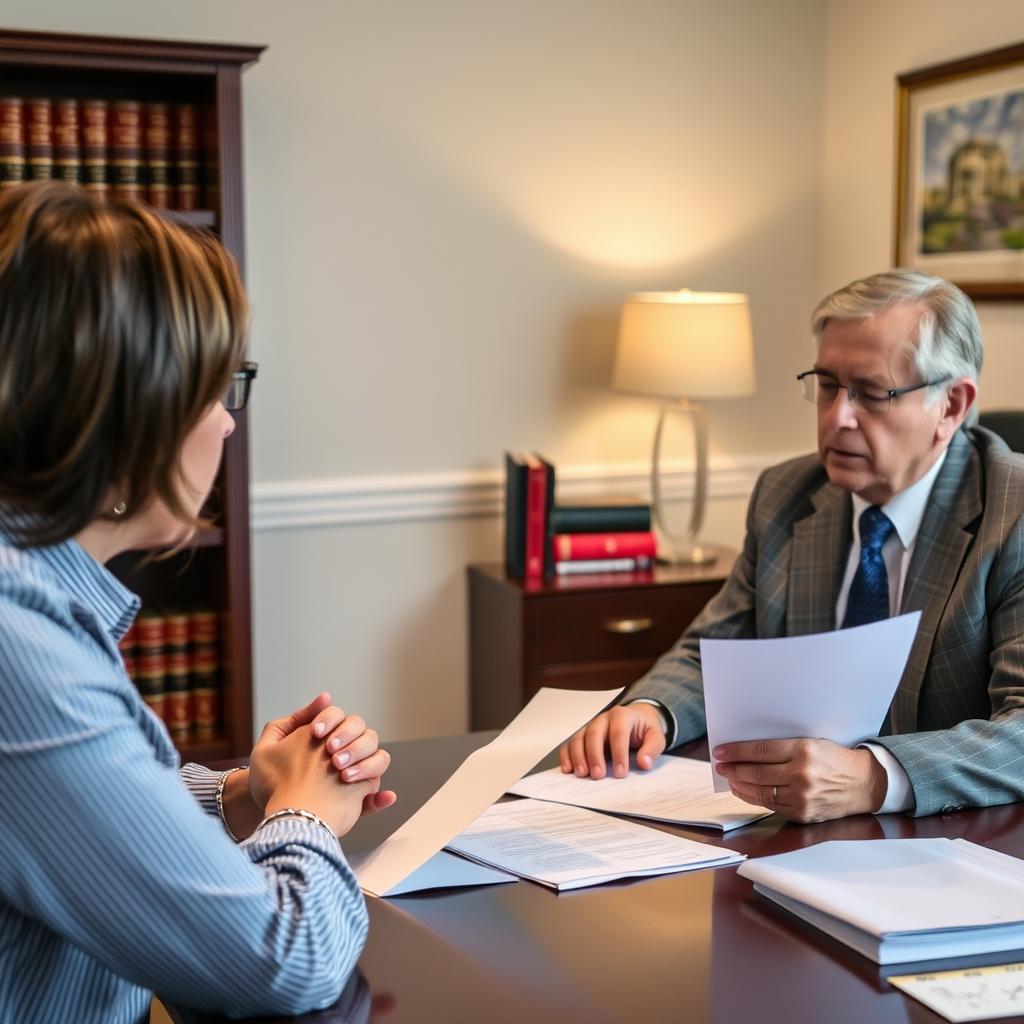
Military Divorce Lawyer Prince William County, VA
A military divorce in Prince William County, Virginia, involves all the legal issues of a civilian divorce—grounds for divorce, equitable distribution of property, spousal support, child custody, and child support—with the added layer of federal statutes that protect servicemembers and govern military benefits. Prince William County is home to a significant military community, including personnel assigned to nearby installations like Marine Corps Base Quantico and Fort Belvoir. When a marriage includes a servicemember, the divorce process may raise questions about which state can exercise jurisdiction, how military retired pay is divided, and what protections the Servicemembers Civil Relief Act (SCRA) affords a deployed spouse. Mr. Sris and his Of Counsel team handle military divorce cases for clients throughout Prince William County, appearing in the Prince William County Circuit Court for divorce and equitable distribution matters, and in the Prince William County Juvenile and Domestic Relations District Court for custody, visitation, and support proceedings. To discuss your situation, reach Law Offices Of SRIS, P.C. at (888) 437-7747.
Law Offices Of SRIS, P.C. – Advocacy Without Borders.
What Military Divorce Means in Prince William County
Prince William County military divorce cases are filed in the Prince William County Circuit Court, which has exclusive jurisdiction over divorce and the division of marital property, and in the Prince William County Juvenile and Domestic Relations District Court for matters involving child custody, visitation, and support. The county is part of Virginia’s Thirty-first Judicial District, and the circuit court is located at 9311 Lee Avenue, Suite 230, in Manassas. Because of the region’s proximity to major military installations, local judges and practitioners are accustomed to the federal and state interplay that military divorce requires. Virginia is an equitable distribution state under Va. Code § 20-107.3, meaning that marital assets—including military retired pay when it qualifies as marital property—are divided fairly but not necessarily equally. The court considers factors such as the length of the marriage, each spouse’s contributions, and the circumstances that led to the end of the marriage.
The grounds for divorce are set out in Va. Code § 20-91. A no‑fault divorce may be obtained after the spouses have lived separate and apart for one year, or for six months if there are no minor children and the parties have entered into a written separation agreement. Fault grounds—including adultery, cruelty, and desertion—remain available. For a military spouse, these timelines can be complicated by deployments or temporary duty assignments. The Servicemembers Civil Relief Act (SCRA) may allow a servicemember to request a stay of proceedings when military duty prevents meaningful participation. At least one party must have been a bona fide resident and domiciliary of Virginia for six months before filing under Va. Code § 20-97. Mr. Sris and his Of Counsel help clients evaluate which grounds and timing fit your circumstances.
How Mr. Sris and His Of Counsel Handle Military Divorce Cases
Mr. Sris and his Of Counsel approach each military divorce in Prince William County by first identifying the governing law—Virginia domestic relations statutes for divorce, property, custody, and support, along with the SCRA and the Uniformed Services Former Spouses’ Protection Act (USFSPA) for the division of military retired pay. They work to confirm that the court has both subject‑matter jurisdiction and personal jurisdiction over the servicemember spouse, which can be a threshold issue when one spouse is stationed outside Virginia. Where the SCRA applies, they assist clients in navigating any stay requests and in ensuring that a default judgment is not entered without proper protections. For the division of marital property, they identify and value military retired pay, Thrift Savings Plan accounts, and survivor benefit plan interests, applying the factors in Va. Code § 20-107.3. When child custody or visitation is in dispute, they help develop parenting plans that account for deployment schedules and the unique demands of military service, always anchored in the child’s best interests under Va. Code § 20-124.3.
The timeline of a military divorce in Prince William County depends on whether the matter is contested, the cooperation of the parties, and any SCRA stays. Mr. Sris and his Of Counsel work with forensic accountants and business valuators when the marital estate includes complex assets such as military retired pay with blended civilian employment. They also handle pendente lite motions for temporary support and custody, which the court may schedule promptly after filing under Va. Code § 20-103. Throughout the process, they aim to reach a resolution that provides stability for the client’s family while protecting the client’s legal and financial interests. To schedule a consultation, call (888) 437-7747.
About Mr. Sris and His Of Counsel Team
Mr. Sris, Owner and Founder of Law Offices Of SRIS, P.C., is a former prosecutor who has practiced law since 1997. He is admitted to the bars of Virginia, Maryland, the District of Columbia, New Jersey, and New York. Mr. Sris testified before the Virginia House Courts of Justice Committee in support of 2019 HB 635 (chief patron Del. David Bulova), which revised the equitable distribution statute concerning the division of retirement assets. His Of Counsel team includes attorneys with backgrounds in family law, criminal prosecution, and law enforcement, bringing a range of trial and negotiation experience to every military divorce matter. The firm’s Fairfax Location regularly serves clients in Prince William County. To reach the team, call (888) 437-7747.
Frequently Asked Questions
How does a military divorce differ from a civilian divorce in Virginia?
A military divorce in Virginia follows the same state laws for grounds, property division, custody, and support, but it is also governed by federal statutes such as the SCRA and the USFSPA, which can affect timing and the division of military benefits. The SCRA may allow a servicemember to postpone court proceedings when military duty prevents participation, and the USFSPA authorizes state courts to treat military disposable retired pay as marital property subject to division. Because Virginia is an equitable distribution state, the court divides all marital assets fairly, not necessarily equally, after considering the statutory factors in Va. Code § 20-107.3. A military spouse may also face jurisdictional questions if the couple has moved frequently. For specific guidance, reach Law Offices Of SRIS, P.C. at (888) 437-7747.
Can I file for divorce in Prince William County if my spouse is deployed?
Yes, you may be able to file for divorce in Prince William County if either you or your spouse meets Virginia’s residency requirement and the court has personal jurisdiction over the servicemember. Under Va. Code § 20-97, one party must have been a bona fide resident and domiciliary of Virginia for at least six months before the suit is commenced. If the servicemember is deployed, the SCRA may permit a stay of proceedings so that the proceeding does not go forward while the servicemember is unable to participate. The court will balance the interests of both parties. Mr. Sris and his Of Counsel can help you evaluate whether jurisdiction is proper and whether an SCRA stay is likely. Contact Law Offices Of SRIS, P.C. at (888) 437-7747 to discuss your situation.
How is child custody handled when one parent is in the military in Prince William County?
Child custody in Prince William County is decided based on the best interests of the child under Va. Code § 20-124.3, and the military status of a parent is one factor the court may consider alongside the parent’s ability to provide a stable home environment. The ten statutory factors include each parent’s relationship with the child, the ability to support the child’s relationship with the other parent, and any history of family abuse. When a servicemember deploys, the court may address temporary custody and visitation arrangements that can be revisited upon return. A family care plan is often created to ensure continuity of care during deployments. For a consultation, reach Mr. Sris and his Of Counsel at (888) 437-7747.
What is the USFSPA and how does it affect the division of military retired pay in a Virginia divorce?
The Uniformed Services Former Spouses’ Protection Act (USFSPA) is a federal law that allows state courts to treat a servicemember’s disposable retired pay as marital property and divide it in a divorce decree. Under Virginia’s equitable distribution statute, Va. Code § 20-107.3, the court may award a portion of military retired pay to the non‑military spouse if the marriage lasted a certain number of years overlapping with military service. The USFSPA also permits direct payments from the Defense Finance and Accounting Service (DFAS) if the marriage lasted at least ten years while the servicemember performed at least ten years of creditable service. The specific division formula depends on the facts of the case. For guidance, contact Law Offices Of SRIS, P.C. at (888) 437-7747.
How long does a military divorce take in Prince William County?
The timeline for a military divorce in Prince William County varies depending on whether the divorce is contested, whether the mandatory separation period has been completed, and whether any SCRA stays are granted. If the parties have already lived separate and apart for the required time under Va. Code § 20-91 and have signed a separation agreement, an uncontested divorce may be finalized more quickly. A contested divorce, custody dispute, or complex property division involving military retired pay typically takes longer. The court’s docket and any deployment‑related delays also affect the schedule. Mr. Sris and his Of Counsel help clients set realistic expectations. To discuss the details of your matter, call (888) 437-7747.
What should I bring to an initial consultation about a military divorce?
For an initial consultation about a military divorce in Prince William County, bring identification, information about military service dates and duty stations, recent Leave and Earnings Statements (LES), and any existing separation or prenuptial agreements. Also helpful are financial records such as tax returns, bank statements, retirement account statements (including the Thrift Savings Plan), and documentation of debts. If children are involved, bring any existing custody orders or parenting plans. This information allows Mr. Sris and his Of Counsel to assess the jurisdictional questions, the classification of property, and potential support obligations. Call (888) 437-7747 to schedule a consultation.
Related pages: Family Law Lawyer Fairfax County | Family Law Lawyer Stafford County | Family Law Lawyer Fauquier County | Family Law Lawyer Loudoun County | Family Law Lawyer Arlington County
Primary Sources: Va. Code § 20‑91 | Va. Code § 20‑107.3 | Prince William County Circuit Court
Attorney advertising. Prior results do not guarantee a similar outcome. Results may vary.
Case results depend on a variety of factors unique to each case.