
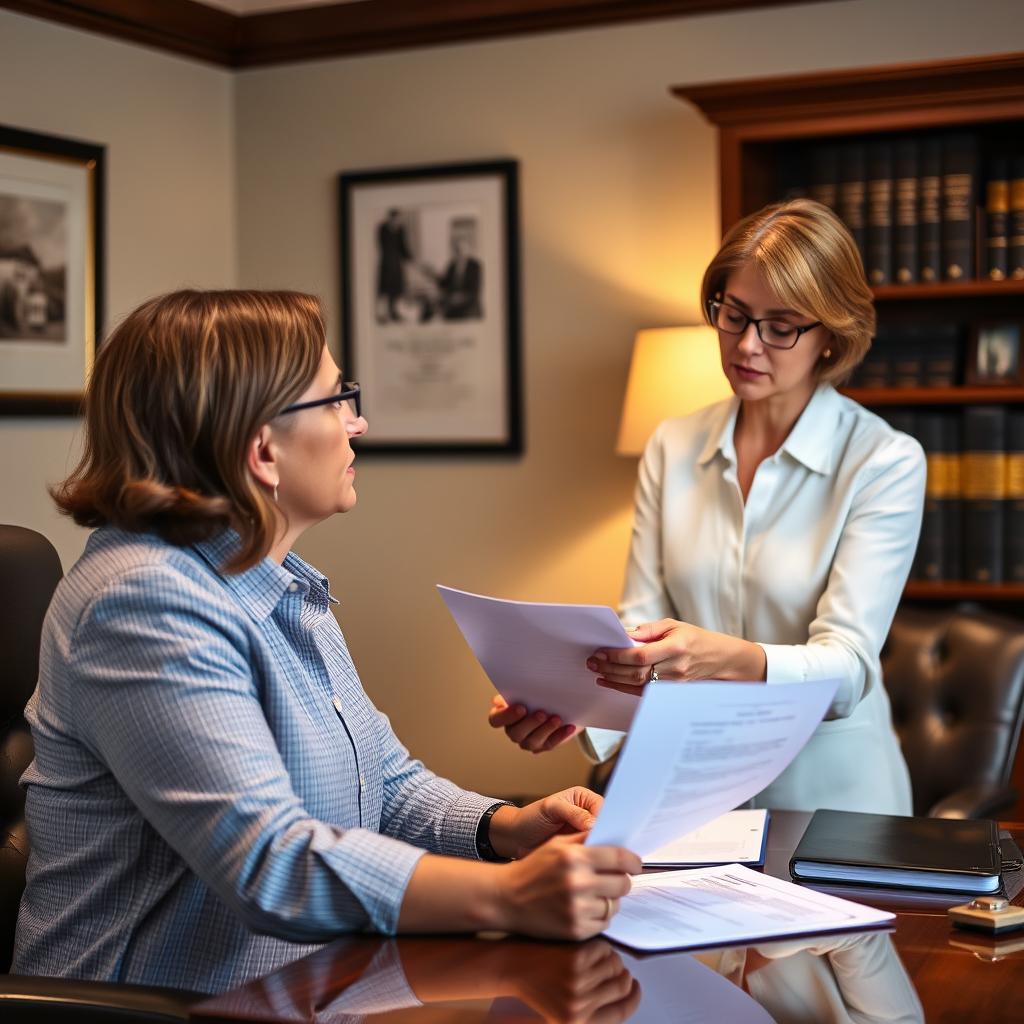
Visitation Modification Lawyer Loudoun County, VA
When a parent believes an existing visitation order no longer serves a child’s needs, Virginia law provides a path to seek modification. In Loudoun County, parents or guardians who want to change a visitation arrangement must demonstrate to the court that a material change in circumstances has occurred since the last order and that the requested modification is in the child’s best interests. This standard, rooted in Va. Code § 20-124.3, protects the stability of children’s lives while allowing appropriate adjustments when a parent relocates, a work schedule changes significantly, or a child’s developmental or educational requirements evolve. Law Offices Of SRIS, P.C. represents mothers and fathers in visitation modification proceedings before the Loudoun County Juvenile and Domestic Relations District Court. To discuss your situation with Mr. Sris and the firm’s Of Counsel attorneys, call (888) 437-7747. Law Offices Of SRIS, P.C. – Advocacy Without Borders.
How Visitation Modification Works in Loudoun County
Under Virginia law, a court-ordered visitation schedule can be modified when a party proves two elements: first, that there has been a material change in circumstances since the entry of the prior order; and second, that the modification serves the child’s best interests. Because Virginia courts consider ten statutory factors—including the child’s relationship with each parent, each parent’s willingness to support the other parent’s contact, and any history of family abuse—the inquiry is fact-specific and requires careful preparation. In Loudoun County, these matters are heard at the Juvenile and Domestic Relations District Court, located at 18 East Market Street, Leesburg, VA 20176. The court’s focus remains squarely on what arrangement best supports the child’s emotional and physical well‑being.
Common reasons a parent may seek a visitation modification include a substantial relocation, a change in a parent’s employment that alters availability, a child’s expressed preference as they mature, or concerns about a parent’s conduct during visitation. The moving parent files a petition stating the circumstances that have changed and the new schedule they believe fits the child’s needs. The court may order mediation, appoint a Guardian ad Litem to represent the child’s interests, or hold an evidentiary hearing. Because Virginia does not impose a mandatory mediation requirement for visitation modifications, a contested case may proceed directly to a judge’s determination. Mr. Sris and the firm’s Of Counsel attorneys help parents gather evidence, prepare testimony, and present their position in a manner aligned with the statutory best‑interests factors. The process can move more efficiently when both parents agree on the modification; when they do not, litigation over visitation can involve multiple court appearances. The timeline for a contested visitation modification in Loudoun County depends on the court’s calendar, the availability of any appointed Guardian ad Litem, and the complexity of the factual dispute.
Frequently Asked Questions
What is considered a material change in circumstances for visitation modification?
A material change is a significant and ongoing alteration in a parent’s or child’s life that affects the current visitation arrangement. Virginia courts examine whether the change is substantial enough to warrant revisiting the order. Examples include a permanent relocation that makes the existing schedule unworkable, a parent’s remarriage that alters the household dynamic, a child’s newly diagnosed medical or educational need, or a parent’s sustained interference with the other parent’s court‑ordered time. Minor or temporary disruptions generally do not meet the threshold. The parent requesting the modification bears the burden of proving that the change has occurred and that the proposed new schedule better serves the child’s best interests under Va. Code § 20-124.3.
Which court handles visitation modification in Loudoun County?
The Loudoun County Juvenile and Domestic Relations District Court hears standalone visitation modification petitions. If the visitation order was part of a divorce decree issued by the Loudoun County Circuit Court, a modification may sometimes be brought in the Circuit Court, particularly when it is combined with changes to custody or support. The J&DR Court sits at 18 East Market Street in Leesburg and handles the majority of initial family-law filings. Parents often start in the J&DR Court because of its focus on children’s welfare and its more accessible procedures. An attorney familiar with both courts can advise on the appropriate venue for a specific case.
Can visitation be modified if both parents agree?
Yes, an agreed-upon modification can be submitted to the court for approval without a contested hearing. When both parents consent to a new visitation schedule, they can present a signed consent order to the judge. The court will review the agreement to ensure it serves the child’s best interests. This path is typically faster and less adversarial than a contested modification. Even with an agreement, however, it is important that the order is properly drafted and entered by the court to be enforceable. Informal side agreements between parents do not override an existing court order and cannot be enforced if one party later changes their mind.
Does the child get a say in visitation modification?
Virginia courts may consider a child’s preference, but the weight given depends on the child’s age, maturity, and the reasons for the preference. Under Va. Code § 20-124.3(8), one of the ten best‑interests factors is “the reasonable preference of the child, if the child is of reasonable intelligence, understanding, age, and experience to express a preference.” There is no fixed age at which a child’s wish becomes binding. A teenager’s clearly expressed desire to spend more time with one parent may carry more weight than a young child’s stated preference, but the court ultimately makes the decision based on what it finds will best serve the child’s welfare, not simply on what the child says.
What if the other parent violates the modified visitation order?
A parent who believes the other parent is not complying with a court-ordered visitation schedule can file a motion for enforcement or for a rule to show cause. The court can impose remedies such as make‑up visitation time, attorney’s fees, or, in serious cases, contempt sanctions. A parent should document every missed visit and any communication regarding the violation. However, before rushing to court, many judges expect the parents to attempt to resolve the dispute informally. If the other parent’s non‑compliance is persistent and willful, the enforcement motion may also prompt a separate modification proceeding if the underlying circumstances have changed.
How long does a visitation modification case take in Loudoun County?
The timeline varies based on court scheduling, the complexity of the case, and whether the modification is contested. An agreed modification can sometimes be entered in a matter of weeks once the paperwork is filed. A contested case, on the other hand, may involve mediation, a Guardian ad Litem investigation, and an evidentiary hearing, extending the process over several months. The Loudoun County J&DR Court sets hearings on its calendar, and past results do not guarantee a similar outcome. An attorney can give a more realistic timeline after evaluating the specific circumstances.
Do I need a lawyer to modify visitation in Virginia?
You are not legally required to hire a lawyer, but the process involves legal and procedural requirements that can be challenging to navigate alone. Proving a material change in circumstances and tying the proposed modification to the child’s best interests demands evidence, knowledge of the statutory factors, and the ability to present testimony effectively. A parent who represents themselves faces the same evidentiary rules and court expectations as a lawyer. Mistakes in pleading, evidence presentation, or failure to meet court deadlines can delay or derail a case. Mr. Sris and the firm’s Of Counsel attorneys concentrate in family law and regularly appear in Loudoun County courts, providing experienced representation throughout the modification process.
What documents should I bring to a consultation about visitation modification?
Bring a copy of the current visitation order, any prior custody or visitation orders, and any written communication with the other parent about the proposed change. If the modification is based on a schedule change, bring employment records or a letter from an employer. If the child has new educational or medical needs, bring relevant school or healthcare records. Photos, text messages, emails, and a list of witnesses who can testify about the changed circumstances can also be helpful. Organizing these materials before meeting with an attorney helps the lawyer evaluate the strength of the case efficiently.
Can a visitation modification be denied even if circumstances changed?
Yes, a judge can deny a modification if the proposed change does not serve the child’s best interests, even if a material change exists. The two‑part test requires both a material change and a finding that the proposed modification is in the child’s best interests. For example, a parent’s new job that requires frequent travel might be a material change, but the court could deny a modification that reduces the child’s contact with that parent if it finds the reduction would harm the child. The judge may also craft an alternative schedule that accommodates the change while preserving the child’s important relationships.
Is there a waiting period before I can seek another modification?
Virginia does not impose a fixed waiting period, but a parent who files a modification motion too soon after a previous order may face a higher burden. Courts are reluctant to revisit a recently entered order unless the change in circumstances is genuinely new and significant. If a parent repeatedly brings frivolous modification requests, the court may sanction the parent or award attorney’s fees. An experienced attorney can assess whether the facts are strong enough to justify filing and help avoid presenting a claim that will be perceived as harassing or unwarranted.
What role does a Guardian ad Litem play in visitation modification?
A Guardian ad Litem is an attorney appointed by the court to represent the child’s best interests in contested modification proceedings. The Guardian ad Litem investigates the family situation by interviewing the child, parents, and other relevant individuals, reviewing records, and making a written recommendation to the court. While the judge is not bound by the Guardian ad Litem’s recommendation, it carries significant weight. In Loudoun County, a Guardian ad Litem is often appointed when there are allegations of abuse or neglect, or when the parents strongly disagree about what schedule serves the child. The cost of a Guardian ad Litem is typically divided between the parties or ordered as the court deems just.
About Mr. Sris and the Firm’s Of Counsel Attorneys
Mr. Sris, Owner and Founder of Law Offices Of SRIS, P.C., is a former prosecutor who has practiced law since 1997. Admitted in Virginia, Maryland, the District of Columbia, New Jersey, and New York, he and the firm’s Of Counsel attorneys concentrate their practice in family-law matters, including visitation modifications, custody disputes, and divorce. The firm’s Ashburn location serves Loudoun County and the surrounding communities. The Of Counsel attorneys bring deep litigation experience from varied backgrounds—including former service as a state trooper, a Maryland prosecutor, and a CPS contract attorney—which strengthens the firm’s ability to present a compelling case before a judge. Together, Mr. Sris and the firm’s Of Counsel attorneys work to achieve outcomes that protect the well‑being of children while respecting parental rights. To request a consultation, reach the firm at (888) 437-7747.
Other Virginia family-law locations we serve:
Fairfax County family law lawyer •
Prince William County family law lawyer •
Stafford County family law lawyer •
Arlington County family law lawyer
Virginia legal resources:
Va. Code § 20-124.3 (custody and visitation best‑interests factors) •
Loudoun County Juvenile & Domestic Relations District Court •
Virginia Judicial System
Attorney advertising. Prior results do not guarantee a similar outcome.
Case results depend on a variety of factors unique to each case.